


5 Signs Your Home Security Setup Is Way Overdue for an Upgrade
Most people set up their home security system once and then forget about it — checking the cameras only when something actually goes wrong, which is exactly the wrong time to discover that the system isn't working the way it should. Technology moves fast in this space. A camera system that seemed solid four or five years ago may be leaving real gaps in your coverage today without you even realizing it.
Here are five signs that your current setup is due for a serious look, and what a modern home security camera system should actually be doing for you.
1. Your Cameras Still Shoot in 720p
720p resolution was considered reasonable when it hit the consumer market over a decade ago. At the time, it was a genuine improvement over the blurry analog cameras it replaced. But it's simply not good enough by today's standards — particularly for identification purposes. Try zooming into a 720p clip to read a license plate or get a clear look at a face, and you'll understand the problem immediately: the image becomes a smear of pixels before you've zoomed in much at all.
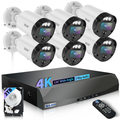
Modern security cameras — including those in WEILAILIFE's current lineup — shoot in true 1080p at minimum, with many models offering 4K resolution that gives you meaningful detail even when digitally cropping into a specific area of a wide frame. If your system predates 1080p as a standard, that alone is a reason to upgrade.
2. Night Footage Is Practically Useless
You check the overnight footage from an older camera and the image looks like it was shot through a sock. Grainy, washed out around the IR LEDs, faces unrecognizable beyond ten feet. This is common with older infrared night vision systems that relied on low-quality sensors and first-generation LED arrays.
Night vision technology has improved dramatically. Color night vision cameras — which capture footage in color under low-light conditions rather than rendering everything in muddy grayscale — are now available at consumer price points. WEILAILIFE's color night vision outdoor cameras produce footage at dusk and under typical ambient streetlight conditions that would have seemed unrealistically good five years ago. If your night footage isn't usable, that's a significant vulnerability during the hours when most residential incidents occur.
3. Motion Alerts Have Trained You to Ignore Them
If you've muted your camera app's notifications because they go off twenty times a day for passing cars, blowing leaves, and changing shadows — that's a system failure, not a personal preference. Alert fatigue is one of the most common and underappreciated problems with first-generation smart cameras. The system cries wolf so often that by the time something real happens, you've stopped listening.
Modern AI-based motion detection can distinguish between a person entering your driveway, a vehicle pulling up, and a bird flying past the camera. WEILAILIFE cameras with smart detection filters let you configure alerts that only trigger for the events that actually matter — dramatically reducing noise while maintaining meaningful real-time awareness.
4. You're Paying Monthly Fees for Cloud Storage With No Local Backup
Many early Wi-Fi camera systems were designed around cloud storage as the only option. Your footage lives on the manufacturer's servers, you pay monthly to access it, and if that company changes its pricing model — or goes out of business — you're starting over. That's a fragile foundation for a security system you're counting on.
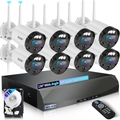
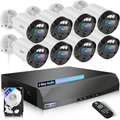
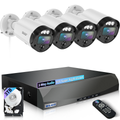
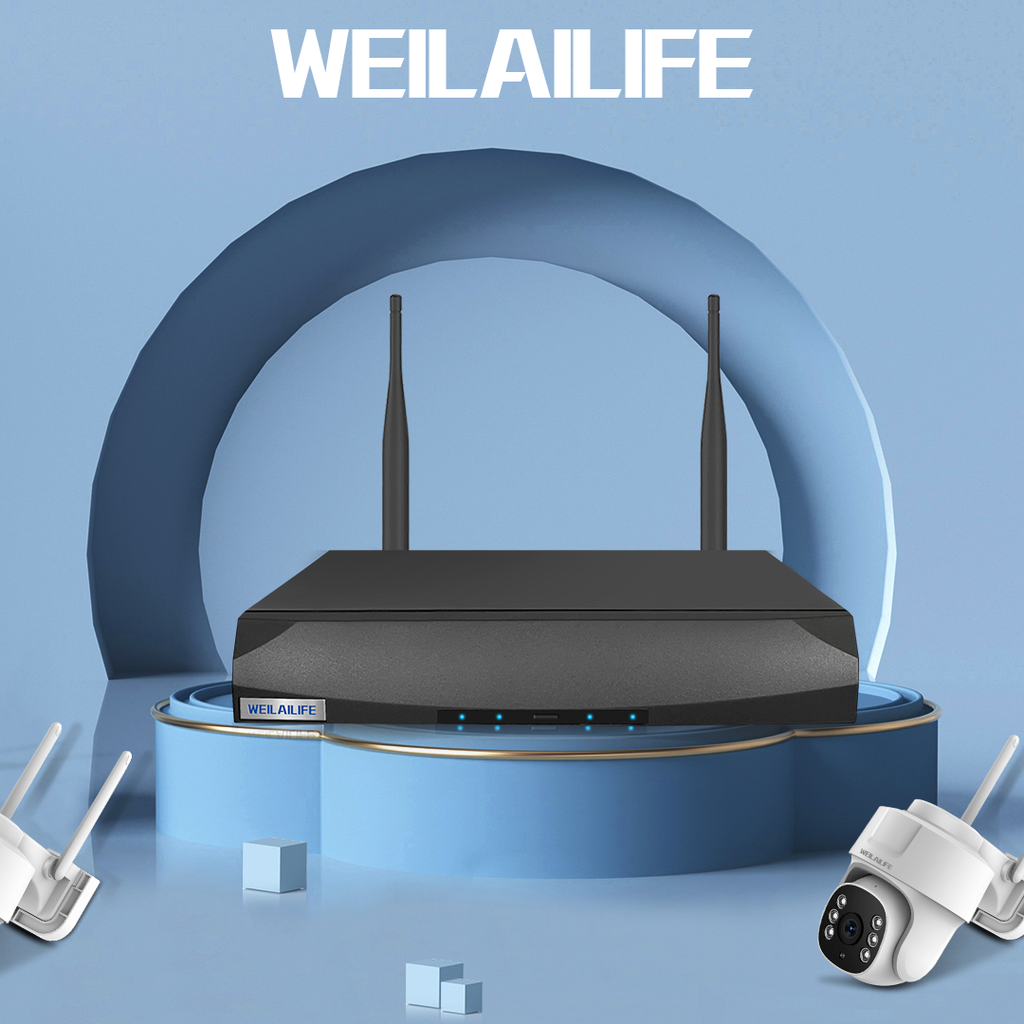
Current WEILAILIFE systems support local storage through NVR setups or onboard SD cards, often with optional cloud backup as a secondary layer rather than the only option. This means your footage stays on your hardware, accessible even if your internet is down, and you're not locked into an indefinite subscription to keep your system functional.
5. Setup Was a Nightmare and You've Never Fully Trusted It Since
If your original install involved extensive port forwarding, IP configuration, and documentation that read like a networking textbook — and if you've had that nagging feeling ever since that something might be misconfigured — it's worth starting fresh with a system built for non-technical homeowners. WEILAILIFE has invested heavily in installation simplicity: most systems are configured through a guided app setup with no networking expertise required, and the result is a system you actually understand and trust.
Security you don't trust doesn't really work, because you stop checking it. A setup that makes sense and gives you confidence is worth more than a technically superior system that you've essentially abandoned.