


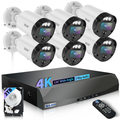
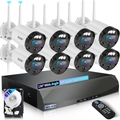
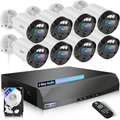
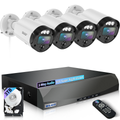
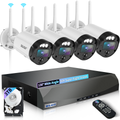
Wired Security Camera Systems Explained: Benefits, Limitations, and Use Cases
Despite the popularity of wireless solutions, wired security camera systems remain a preferred choice for users who prioritize stability and continuous recording.
How Wired Surveillance Systems Work
Wired cameras transmit video signals through physical cables to a recording device. This direct connection ensures consistent data transfer and minimal interference, making wired systems ideal for long-term monitoring.
Many wired surveillance cameras support 24/7 recording without relying on batteries.
Advantages of Wired Security Cameras
One major benefit is reliability. Wired systems are not affected by WiFi signal fluctuations, which improves performance in high-traffic or large properties.
They also support high-resolution video, allowing HD surveillance cameras to operate smoothly without compression delays.
Installation and Planning Considerations
Installation requires planning for cable routing and power access. While setup may take longer, the result is a stable security camera system with minimal ongoing maintenance.
Wired systems are best suited for permanent installations where long-term reliability is a priority.
When Wired Systems Are the Best Choice
Homes with multiple cameras, businesses requiring constant recording, and locations with limited wireless coverage all benefit from wired surveillance solutions.