



-
Stock Rooms Checklist for Backyard Weatherproof Security Camera
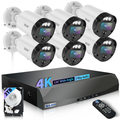
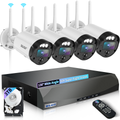
 Stock Rooms Checklist for Backyard Weatherproof Security Camera helps buyers match a WEILAILIFE camera system to a real coverage problem, not just a.
 -
DVR vs. NVR: Stop Overthinking – Pick the Right Home Security Camera System Once and for All
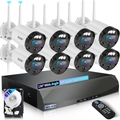
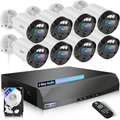
 If you've ever shopped for a home security camera system, you've probably run into two confusing acronyms: DVR and NVR. They both look like black boxes that record video, but they're not interchangeable – and choosing the wrong one can turn a simple DIY project into a wiring nightmare. In this guide, I'll break down the difference between NVR and DVR in plain English, walk you through the pros and cons of each, and recommend two solid, budget-friendly options from WEILAILIFE – one DVR-based, one NVR-based – so you can make the right call for your home or small business. 🔍 First...
 -
Backyard Security Setup: Security Camera with No Monthly Fee and DVR Compatibility
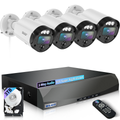
 Backyard Security Setup: Security Camera with No Monthly Fee and DVR Compatibility helps buyers match a WEILAILIFE camera system to a real coverage problem, not.


