


Is Your Property Too Large for Fixed Cameras? PTZ Is the Answer
Many homeowners encounter a common dilemma when installing security cameras: no matter where they place them, certain areas remain uncovered. Installing additional units increases costs, while a single fixed camera often fails to provide sufficient coverage. This challenge becomes particularly pronounced for properties with expansive front or back yards, or those with irregular layouts where fixed cameras simply cannot offer comprehensive monitoring.
This is precisely where PTZ cameras provide an effective solution.
Understanding PTZ: A Dynamic Surveillance Tool
PTZ is an acronym for Pan, Tilt, and Zoom. In practical terms, this means the camera can rotate horizontally, move vertically, and adjust focal length to magnify distant subjects.
A fixed camera functions like a stationary window—it only captures what lies directly within its frame. A PTZ camera, by contrast, operates more like an observer positioned at an elevated vantage point with binoculars, capable of scanning in any direction and zooming in on points of interest with clarity.
This flexibility makes PTZ cameras particularly well-suited for outdoor security applications.
Why PTZ Cameras Excel in Outdoor Environments
Outdoor settings present distinct challenges compared to indoor spaces: larger areas, variable lighting conditions, and exposure to the elements. A properly specified outdoor PTZ camera must demonstrate competence across several critical dimensions:
1. Comprehensive Coverage with Minimal Blind Spots
Quality PTZ cameras offer 355° to 360° of horizontal pan and approximately 90° of vertical tilt. When installed at an optimal location, this range enables complete property surveillance, eliminating the need to compromise on coverage zones.
2. Optical Zoom Versus Digital Zoom
This distinction is frequently overlooked by consumers. Some cameras advertise significant magnification capabilities, but upon closer inspection, these rely on digital zoom—which essentially enlarges pixels at the cost of image quality.
Optical zoom, however, utilizes physical lens adjustments to achieve magnification while preserving resolution integrity. For identifying distant faces or license plates, optical zoom is indispensable.
3. Night Vision Capability
An outdoor camera that performs inadequately in low-light conditions compromises its primary security function. Infrared (IR) night vision has become a standard feature, yet IR range varies considerably across models—some cover only 20–30 meters, which proves insufficient for larger properties. Evaluating IR distance specifications against your property's dimensions is a prudent step before purchase.
4. Weather Resistance and Durability
Outdoor cameras must endure rain, dust, and temperature fluctuations. An IP66 or IP67 ingress protection rating indicates comprehensive dust sealing and resilience against high-pressure water jets. This specification should be considered non-negotiable, as inadequate sealing frequently leads to premature equipment failure following severe weather.
Auto-Tracking: Intelligent Motion Following
Auto-tracking represents one of the most valuable features available on contemporary PTZ cameras.
Conventional cameras record motion passively—they capture footage while a subject remains within frame, then cease once the subject exits. PTZ cameras equipped with auto-tracking operate differently: upon detecting movement, the camera autonomously rotates to maintain the subject within the frame, following its trajectory continuously.
Consider this scenario: an individual loiters near your perimeter fence late at night. A standard camera records only the brief moment the person enters and exits the frame. An auto-tracking PTZ camera, however, maintains visual contact throughout the entire incident, documenting behavior comprehensively. This distinction can prove critical when reviewing footage for evidentiary purposes.
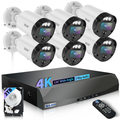
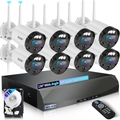
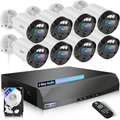
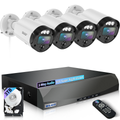
WEILAILIFE's Approach to PTZ Camera Design
Having outlined these technical considerations, we turn to our own product philosophy.
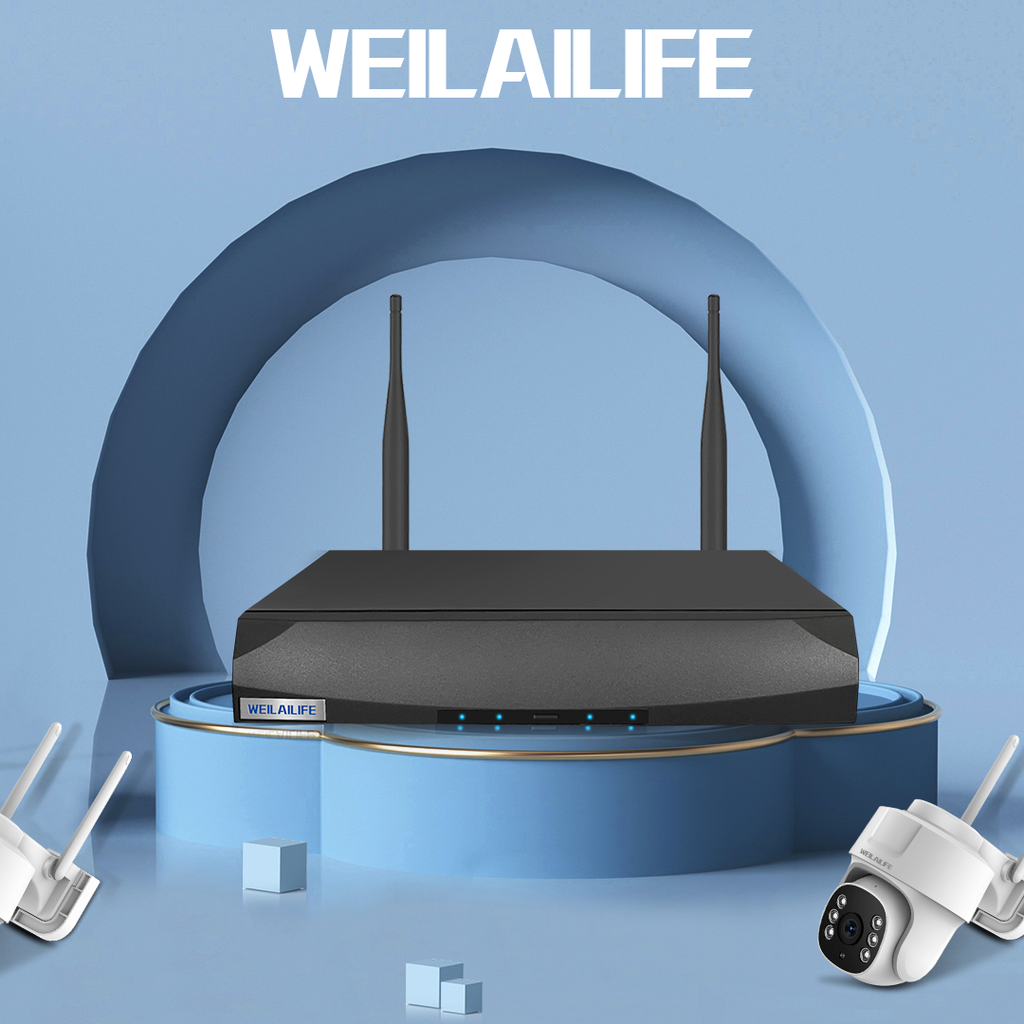
WEILAILIFE designs PTZ cameras with a primary objective: delivering a reliable home security camera system that requires minimal effort for end-users to deploy and operate.
Our outdoor PTZ series emphasizes several key performance areas:
-
Image Quality: 4K resolution combined with optical zoom ensures distant details remain sharp upon magnification
-
Night Performance: IR range accommodates most residential property dimensions, with select models offering full-color night vision
-
Durability: IP66-rated housing and an operating temperature range of -20°C to 50°C provide resilience across diverse climates
-
Remote Control: The mobile application enables pan, tilt, and zoom functionality from any location, allowing property monitoring while traveling
-
Storage Options: Both local storage (SD card) and cloud storage are supported, offering flexibility based on user preference
Our design philosophy centers on accessibility—security equipment should not require specialized technical knowledge to operate effectively. Installation, network connection, and application setup should be straightforward, allowing users to focus on security outcomes rather than configuration complexities.
Pre-Purchase Considerations: Three Key Questions
Before committing to a purchase, addressing the following questions will help refine your selection:
1. Which Areas Require Primary Monitoring?
Front entrance, back yard, driveway, or perimeter fencing? Different areas impose distinct requirements on pan range and zoom capability. Driveway monitoring, for instance, benefits from stronger zoom to capture license plate details from distance, while back yard coverage prioritizes broader pan range for area surveillance.
2. Have You Identified an Optimal Installation Location?
PTZ cameras are more sensitive to placement than fixed models. Elevated mounting positions with clear sight lines, free from obstructions such as trees or structures, enable a single PTZ unit to achieve coverage equivalent to multiple fixed cameras.
3. What Are Your Power and Network Requirements?
Outdoor PTZ cameras typically support two power configurations: PoE (Power over Ethernet) , which transmits both power and data through a single cable for streamlined installation, or separate power supply for greater flexibility in placement. The optimal choice depends on your existing infrastructure.
Cost-Benefit Analysis: Is the Investment Justified?
PTZ cameras command higher upfront costs than individual fixed cameras. However, when comparing total deployment costs, the equation becomes more favorable: a single PTZ camera often covers an area requiring two or three fixed units to monitor adequately. This parity in overall expenditure, combined with the operational flexibility PTZ provides, represents compelling value.
Moreover, security investments should be evaluated in terms of peace of mind. Comprehensive property surveillance and the confidence that accompanies it are difficult to quantify but genuinely meaningful.
Conclusion
For properties with modest dimensions and limited monitoring requirements, fixed cameras remain a viable solution. However, for larger yards or properties with multiple angles requiring attention, PTZ cameras represent a significantly more effective choice.
WEILAILIFE's outdoor PTZ series is designed to bridge this gap—delivering flexible, reliable, and accessible security systems for residential applications. In varied conditions and across seasons, these cameras provide consistent protection for your property.
For those seeking a dependable home security camera system or evaluating options for the best outdoor security camera for home, our PTZ lineup merits serious consideration—it may well meet your specific requirements.