


Night Vision That Actually Works: Choosing a Home Security Camera System for Real Protection
Most security cameras look great in broad daylight. The real test happens after the sun goes down. Break-ins, package thefts, and vandalism don't wait until noon, and if your camera can’t handle low light, you might as well not have one at all.
The difference between a useless blur and footage that actually helps identify someone comes down to a few key technologies. Here’s what actually matters when you’re shopping for a home security camera system, and why getting it right doesn’t have to cost a fortune.
Why Low Light Performance Makes or Breaks Your Security
When it’s dark, most cameras switch to infrared mode and give you black-and-white footage. That works, but you lose critical details—like the color of a car or the jacket someone was wearing. Full-color night vision is a game-changer, but not all cameras deliver it well.
Here’s what to look for:
-
Sensor Quality – A larger image sensor captures more light. Simple physics. Cameras with better CMOS sensors produce brighter, cleaner images in the dark without turning everything into grainy noise.
-
Minimum Illumination (Lux Rating) – Lower is better. A camera rated at 0.01 Lux can see clearly under moonlight, while 0.001 Lux is true starlight-level performance.
-
Wide Aperture Lens – A lower f-number means more light hits the sensor. This reduces motion blur, which is huge for capturing moving subjects at night.
-
AI Noise Reduction – Good algorithms clean up the image in real time, sharpening details without washing them out.
If you want reliable overnight coverage, skip the cheap sensors and look for cameras with real low-light engineering behind them.
IR vs. Color Night Vision: Which One Do You Need?
Infrared is the old standby. It works in total darkness, the LEDs are invisible, and it’s cost-effective. The trade-off is you lose color detail, and IR washout can ruin footage if the camera is pointed at a reflective surface.
Color night vision, on the other hand, uses either built-in spotlights or advanced sensors that amplify ambient light. The result is full-color footage that gives you way more context. The catch? Color systems need at least a little light, and spotlights may draw attention to the camera.
For most homes, a hybrid approach works best: IR for pitch-black areas, color for entry points and driveways where detail matters.
The Budget-Friendly Setup That Actually Delivers
You don’t need to drop a grand on a system that works. A well-designed setup with 4K cameras and local recording can outperform expensive, subscription-locked options.
What you want:
-
4K (8MP) resolution – Digital zoom actually works when you have pixels to spare. At 1080p, zooming in on a license plate from 20 feet just gives you a blurry mess. 4K gives you real detail to work with.
-
Local NVR storage – No monthly fees, no cloud latency. Your footage stays local, and playback is instant.
-
Weatherproof housing (IP65 or higher) – If it’s going outside, it needs to handle rain and dust.
Finding the best NVR kit under $200 is absolutely doable if you skip the brand markup and focus on core performance. Some of the most reliable entry-level NVRs come in under that price point, giving you PoE ports for direct camera connection, expandable storage, and full recording capabilities without subscription fees.
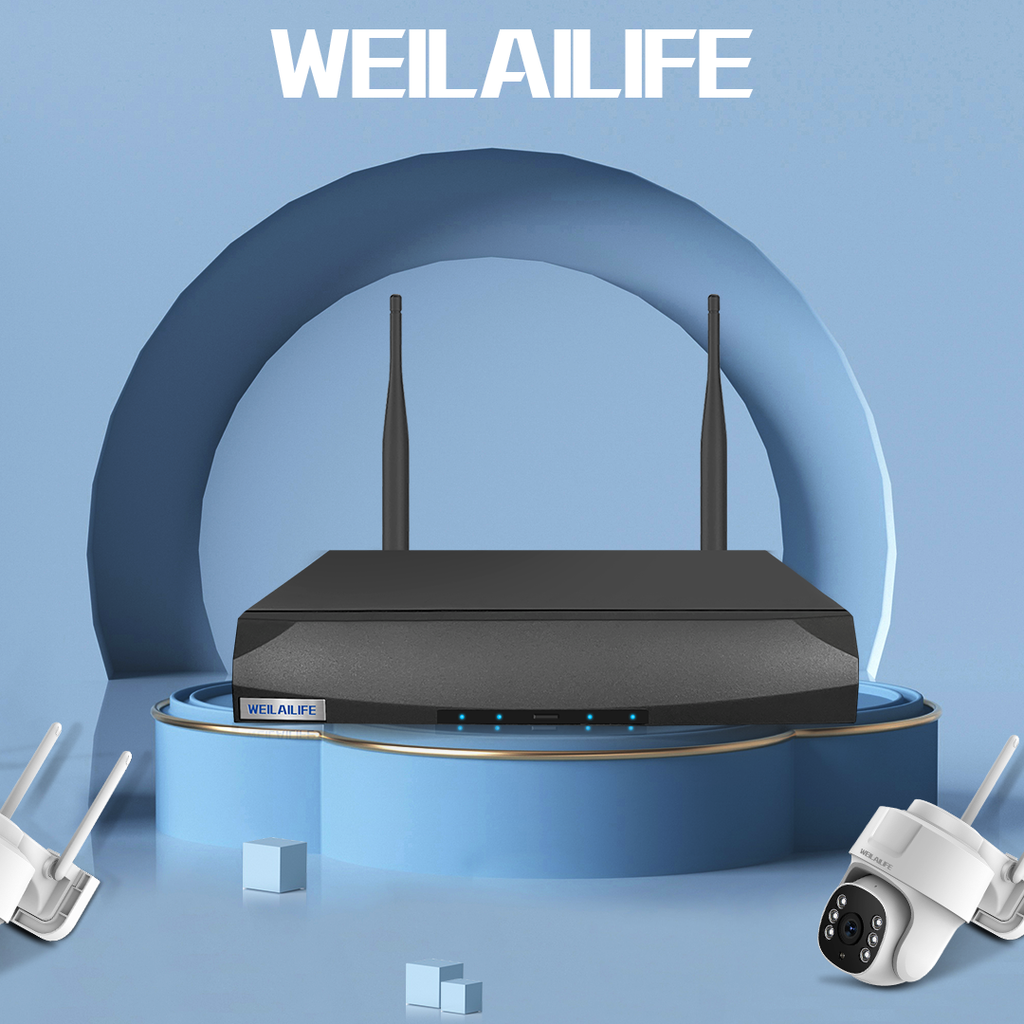
Where WEILAILIFE Comes In
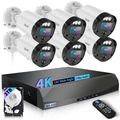
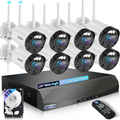
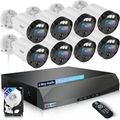
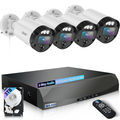
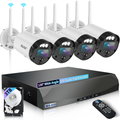
We’ve spent years watching the market, and we know what actually works for real homes—not just what looks good in a lab. Our home security camera system is built around one idea: you shouldn’t have to choose between affordable and effective.
At WEILAILIFE, we put starlight-grade sensors in cameras that don’t cost a fortune. Our full-color night vision delivers clear, detailed footage even in near-darkness, and our NVR kits come with everything you need—no hidden fees, no monthly cloud ransom.
Our cameras combine:
-
Advanced CMOS sensors with low-lux performance down to 0.001 Lux
-
Smart AI-powered motion detection that cuts false alerts
-
Local storage with full NVR support
-
Weatherproof design for outdoor durability
Because at the end of the day, the best security system is the one you can afford and trust.
Quick Setup Tips for Better Night Footage
Even the best camera won’t perform well if it’s badly placed:
-
Mount at 7-10 feet – High enough to avoid tampering, low enough to catch faces, not just the tops of heads.
-
Avoid reflective surfaces – Keep at least a foot of clearance from walls, glass, or glossy trim to prevent IR bounce-back.
-
Check Wi-Fi at the mount point – Full bars on your phone doesn’t always mean a stable camera connection. Test the live feed before you drill.
-
Don’t aim directly at streetlights – Bright light sources force the camera to under-expose the rest of the scene, leaving your yard in the dark.
The Bottom Line
Night vision is the difference between a security camera that gives you peace of mind and one that gives you a grainy blob when you need it most. Look for good sensor specs, choose the right night vision type for your environment, and invest in a system that doesn’t nickel-and-dime you on storage.
WEILAILIFE has built its reputation on delivering reliable, affordable security that works when it counts. Whether you're protecting a front porch or a full property, our systems are engineered for real-world performance—not just spec sheets.
Because your home deserves protection that never clocks out.