




PoE Camera vs WiFi Camera: Which One Actually Works When It Matters Most?
There's a moment every homeowner dreads: reviewing footage from a security camera and finding it froze right when something happened. Or worse—the camera went offline entirely during the night.
These failures rarely come from bad hardware. They come from the connection. That's why understanding the difference between PoE and WiFi cameras matters long before you need the footage.
What a PoE Camera Brings to the Table
Power over Ethernet cameras solve a basic problem: cameras need power and they need data. PoE delivers both through a single network cable. No separate power adapter. No outlet hunting. Just one wire that does everything.
Why this changes things: The connection is locked in. No wireless interference from neighbors, no dropouts when the network gets busy, and no signal loss through walls. Video streams at full resolution continuously, without compression tricks to keep it moving over WiFi.
PoE cameras commonly offer 4K or 8MP resolution because the bandwidth is there to support it. And because the connection is stable, features like continuous recording and motion-triggered alerts work without hiccups.
The WiFi Camera Appeal
WiFi cameras win on convenience. They connect to the home network wirelessly, and setup usually takes a few minutes through a phone app. Most plug into an outlet for power; some run on batteries. Place them where they're needed and move them when circumstances change.
What's less obvious: WiFi signals are shared. Every device in the home—phones, tablets, smart TVs, laptops—competes for the same bandwidth. Cameras at a distance from the router may suffer from lag. Signals passing through exterior walls lose strength. And if the internet connection fails, remote viewing stops until it returns.
Feature Comparison
| Consideration | PoE Cameras | WiFi Cameras |
|---|---|---|
| Data and power | One Ethernet cable does both | Power outlet plus wireless data |
| Video stability | Uninterrupted, full quality | May drop or compress under load |
| Environmental limits | Works through walls, no signal decay | Affected by distance and building materials |
| System expansion | Add cameras without new power runs | Each camera needs WiFi capacity |
| Long-term cost | No monthly fees | May include cloud storage charges |
Which Fits Your Situation
PoE makes sense when: The installation is permanent, coverage needs to include outdoor areas, and the system should work without ongoing attention. PoE setups don't rely on WiFi performance. They don't require battery checks. And since video stays on the local NVR, no subscription fees apply—the footage is owned outright.
WiFi works for: Renters, temporary installations, or single-camera indoor monitoring where occasional lag is acceptable.
Why the WEILAILIFE PoE System Stands Out
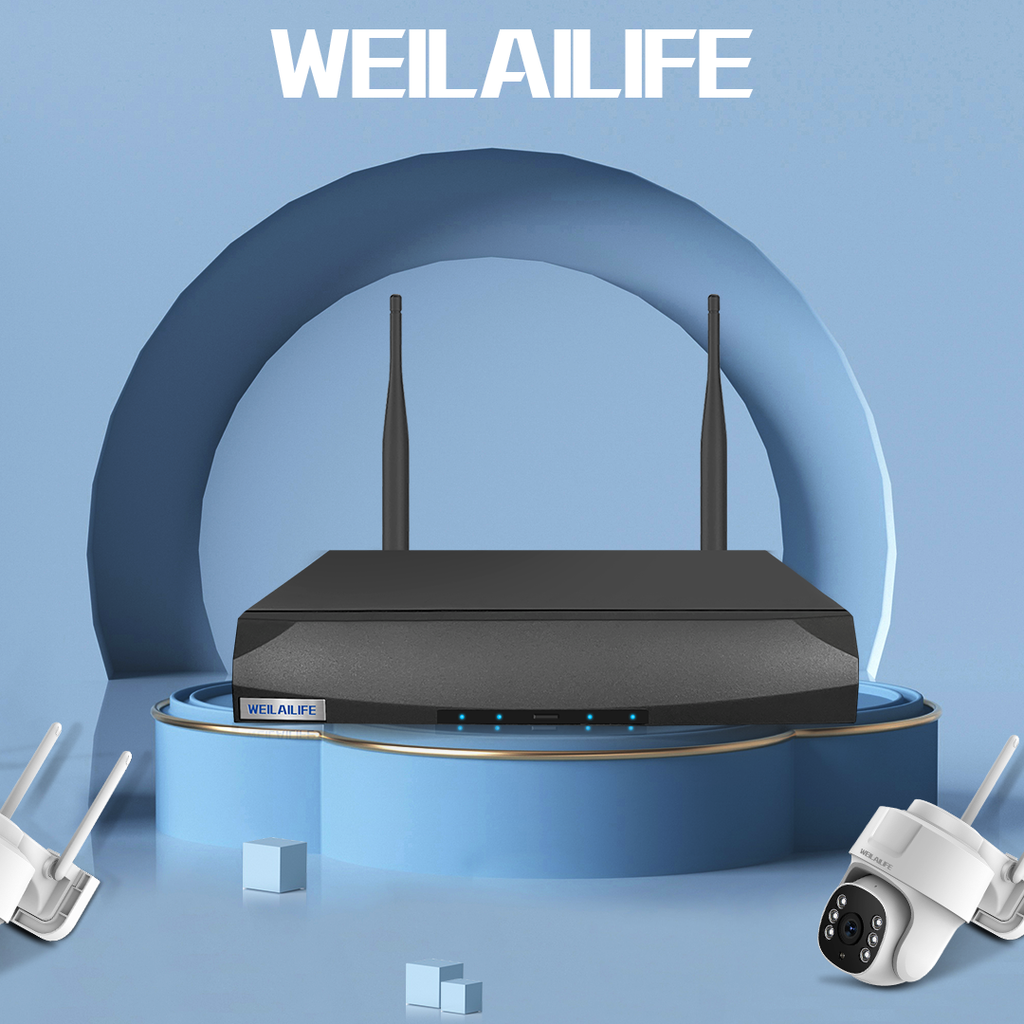
The WEILAILIFE PoE Security Camera System is built around a simple idea: security should be dependable, not something that demands constant attention.
Key advantages:
-
Clean installation: Each camera connects with a single Ethernet cable that carries power, video, and audio. No power adapters on the wall, no cable tangles.
-
Sharp image quality: 4K resolution with 8MP sensors captures enough detail to identify individuals and read plates clearly.
-
No recurring costs: Storage goes to the local NVR. No cloud subscriptions, no hidden billing cycles.
-
Weather-resistant design: IP66-rated enclosures handle rain, snow, and cold down to -4°F without trouble.
-
Active deterrence features: PIR motion detection triggers bright lights and enables two-way audio. Speak to delivery people or confront intruders through the mobile app.
WEILAILIFE cameras are designed to be visible. Visible cameras change behavior—people act differently when they know they're being recorded. The app provides instant alerts and live feeds so there's no need to stay glued to a monitor.
A Practical Perspective
Homes with PoE cameras tend to have fewer surprises. Not because the cameras are better built—though they are—but because the connection doesn't fail when it's needed most. WiFi cameras can work well for years. But when they don't, it's usually at 2 AM during a storm, when the router resets, or when the neighbor's new smart home system floods the local band.
PoE sidesteps all of that. The cable is the connection. No signal to drop. No bandwidth to share.
Making the Call
Security equipment should provide confidence, not uncertainty. A PoE system takes a few hours to install but runs reliably for years without hidden fees or constant care.
Take a closer look at the WEILAILIFE PoE lineup and see why more property owners are shifting away from WiFi dependence and toward wired, subscription-free protection.