


Security Cameras Without Wi-Fi? Here's Your Offline Surveillance Guide
Wi-Fi goes down, and your security camera turns into a brick—sound familiar? Or maybe you're setting up surveillance somewhere that's never had internet to begin with.
Here's the truth: you don't need an internet connection for reliable security.
Many people assume cameras require a live internet feed to function. They don't. Below are three practical ways to keep your property monitored, whether you're in a rural cabin, a construction trailer, or just a house with spotty Wi-Fi.
Option 1: Plug in a Memory Card and You're Set
This is the simplest approach. Many wireless cameras come with a microSD card slot for local storage.
How it works: The camera detects motion, starts recording, and saves the video directly onto the card inside the device. The entire process happens locally—no Wi-Fi required. To review footage, you can pop the card into a computer or access it through an app when you're on the same local network.
Best for: Single-room monitoring, garages, rental properties, or anyone who wants a plug-and-play solution without extra hardware.
Option 2: NVR Systems – The Reliable Choice for Multi-Camera Setups
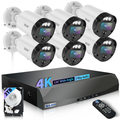
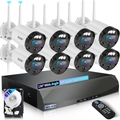
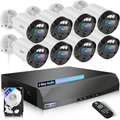
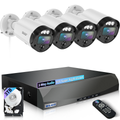
If you need to cover multiple areas—front door, backyard, driveway, maybe a workshop—a single camera won't cut it. You'll want a dedicated home security camera system with centralized storage.
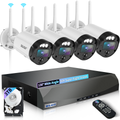
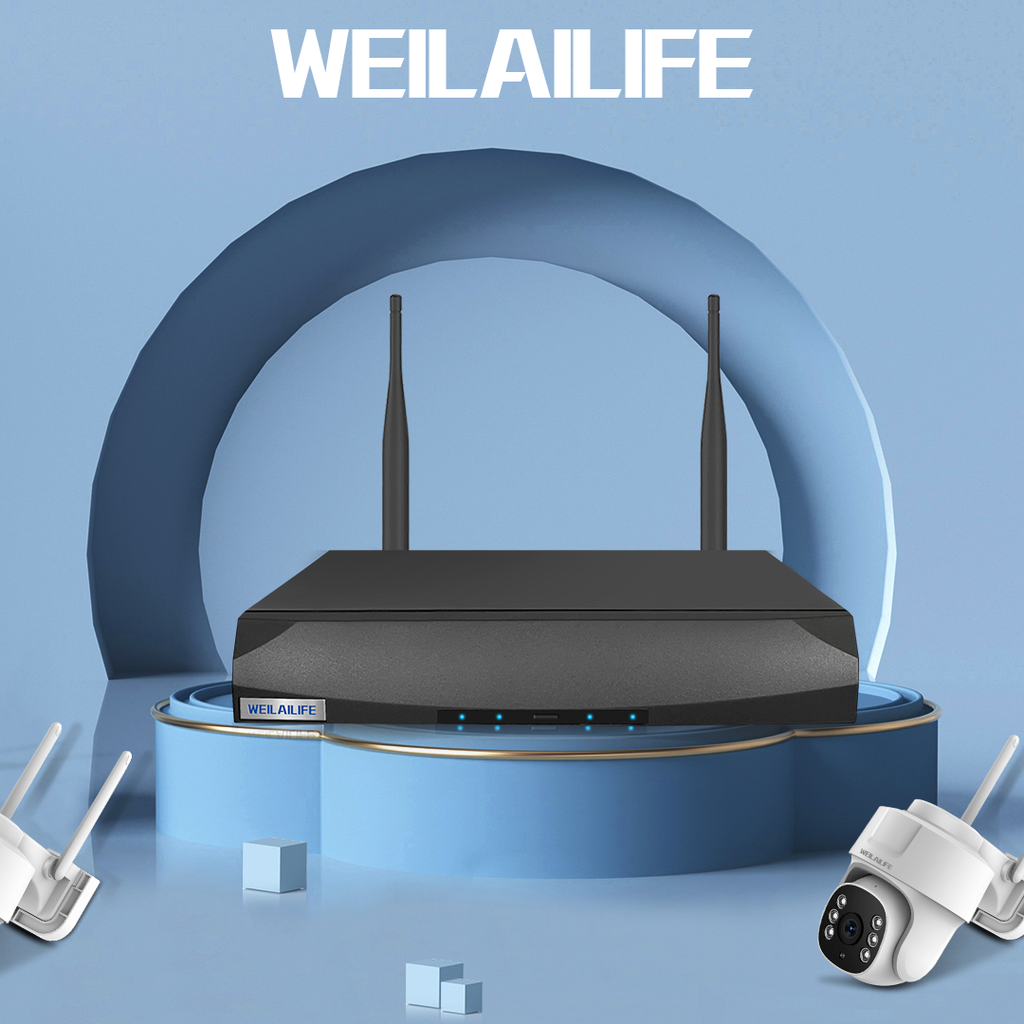
How it works: An NVR (Network Video Recorder) acts like a dedicated hard drive box for your cameras. Multiple cameras connect to it through network cables, and all footage is stored directly on the NVR's built-in hard drive. This setup records 24/7, handles multiple camera feeds smoothly, and keeps everything stored locally.
What about DVRs? You might wonder, "do I need a DVR for security cameras?" Here's the quick answer: DVRs work with older analog cameras, while NVRs are built for modern IP cameras. NVRs support higher resolutions like 4K, use simpler cabling, and offer better overall performance. If you're setting up a new system, an NVR-based setup is the smarter long-term investment.
Best for: Whole-home surveillance, small retail shops, and anyone needing continuous, centralized recording across multiple zones.
Option 3: 4G Cameras – No Wi-Fi, No Grid Power? No Problem
For remote locations—think farms, construction sites, cabins, or temporary job sites—there's often neither Wi-Fi nor the infrastructure to install it. That's exactly when you need a security camera that works without wifi.
The solution: 4G LTE cameras. They have a SIM card slot that connects to cellular networks. Video feeds and motion alerts are transmitted over mobile data. Pair one with a solar panel and a battery, and you've got a completely off-grid surveillance setup that runs for months with minimal maintenance.
Best for: Rural properties, off-grid cabins, vacant land, and temporary worksites where running cables isn't practical.
What WEILAILIFE Brings to the Table
As you can see, effective security isn't about having the fastest internet—it's about recording and storage that work regardless of your connection. Whether you're looking for a simple plug-and-play camera or a full NVR system with multiple cameras, WEILAILIFE offers reliable products designed for real-world conditions. No matter where your property sits or how unstable your Wi-Fi might be, we help you stay covered.
Final Thought: Before you assume a location can't be monitored, ask yourself—do you really need internet, or do you just need a smarter way to record? Chances are, one of these three options fits your situation perfectly.