




Talking to Your Kids About Home Security Cameras: An Age-Appropriate Guide
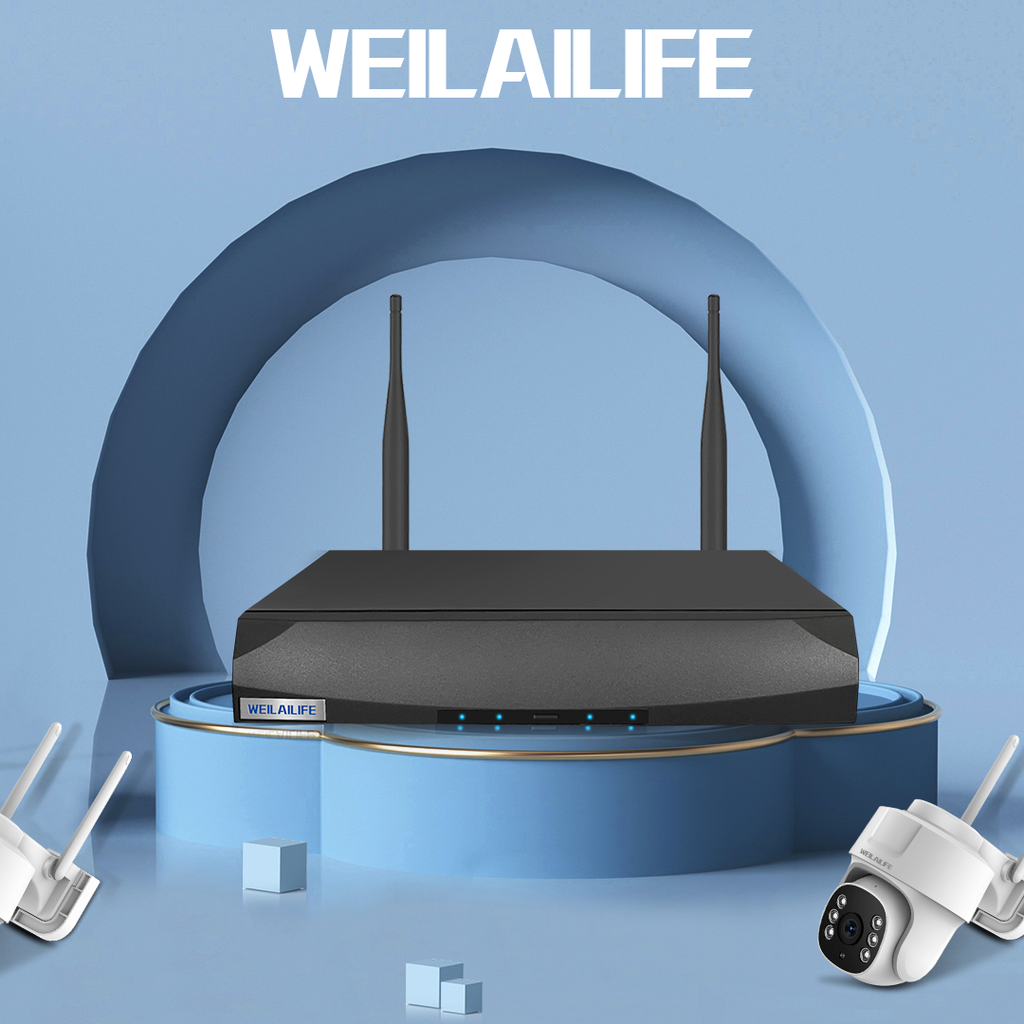
When you install a WEILAILIFE security camera system at home, you're adding something that your kids will notice, ask about, and — depending on their age — have real feelings about. Some children will be curious and unfazed. Others may feel watched in a way that's uncomfortable. And teenagers in particular may have legitimate privacy questions that deserve genuine answers rather than dismissal.
Getting the conversation right matters for two reasons: it helps your kids understand and feel comfortable with the cameras rather than anxious about them, and it creates an opportunity to talk about security and personal safety in ways that are genuinely useful as they get older.
Young Children: Simple, Positive, Matter-of-Fact
For kids under seven or eight, the conversation about security cameras can be straightforward and brief. "We put cameras outside the house so we can see when people come to the door and make sure everything is safe." That's usually enough. Young children are concrete thinkers, and a simple explanation tied to something they already understand — the doorbell, keeping the house safe — lands better than a detailed explanation of threat modeling.
What matters most with young children is that they know the cameras are there, know what they're for, and aren't surprised or frightened when they notice them. Point the cameras out during installation, explain in simple terms what they do, and move on. Most young kids will process this quickly and redirect their curiosity to something else entirely.
School-Age Kids: More Context, Some Involvement
Kids between roughly eight and twelve can handle more nuance and often benefit from being included in the process in small ways. Showing a child the live feed on your phone, explaining what the camera covers and why, and letting them be part of setting up notifications creates engagement rather than anxiety.
This is also a natural age to start talking about why home security matters — not in a frightening way, but in the matter-of-fact way you'd talk about wearing a seatbelt or locking a bike. WEILAILIFE cameras on the front door, you might explain, are like the lock on the door — they make the house safer and let you know who's there before opening it. Framing security measures as normal, sensible precautions rather than responses to immediate threats keeps the conversation from becoming scary.
Teenagers: Privacy, Transparency, and Honest Conversation
Teenagers deserve a genuinely honest conversation about what the cameras cover, what they don't cover, and what happens with the footage. The instinct to feel watched — and to push back against surveillance even when it's well-intentioned — is developmentally normal, and dismissing those feelings doesn't resolve them.
Be explicit: WEILAILIFE cameras are placed outside the home and at exterior entry points. They're not inside bedrooms, bathrooms, or anywhere teenagers have a reasonable expectation of privacy. The footage is used for security purposes — to document who comes and goes from the property and to have evidence if something happens — not to monitor their personal lives.
If a teenager asks reasonable questions about who can see the footage or how long it's stored, answer them directly. This transparency builds trust and also models the kind of thoughtful engagement with privacy and technology that will serve them well throughout their lives.
The Broader Conversation About Home Safety
Installing a security camera system is a natural moment to have broader conversations about household safety that often don't happen otherwise. What should a child or teenager do if they notice something unusual outside? Who should they call? What's the plan if something happens when parents aren't home?
A WEILAILIFE system with app access that can be shared with older teenagers creates a practical safety tool: they can check the driveway camera before opening the door for an unexpected visitor, confirm that a younger sibling arrived home safely, and receive the same motion alerts that you're getting on your phone. Giving age-appropriate access to the system transforms it from something that watches them into something that works for them — a much healthier relationship with the technology.