


The Real Cost of a Home Security Camera System — Breaking Down What You're Actually Paying For
The upfront price on a security camera system is almost never the complete cost picture, and it's worth understanding what you're actually committing to before you buy. Security camera pricing has three layers that most buyers either don't think through clearly or don't discover until after they've already purchased: the hardware cost, the ongoing service cost, and the hidden cost of footage you can't actually use when you need it.
Hardware: What You Pay Upfront
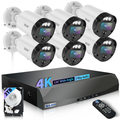
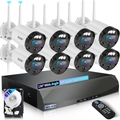
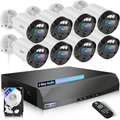
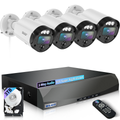
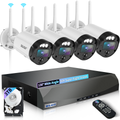
The camera hardware cost breaks down into the cameras themselves and whatever recording and storage infrastructure you're using. For wireless cameras that rely entirely on cloud storage, the hardware cost is just the camera. For a wired surveillance camera system with a local NVR, the hardware cost includes cameras, the NVR unit, cables, and potentially a hard drive if one isn't included.
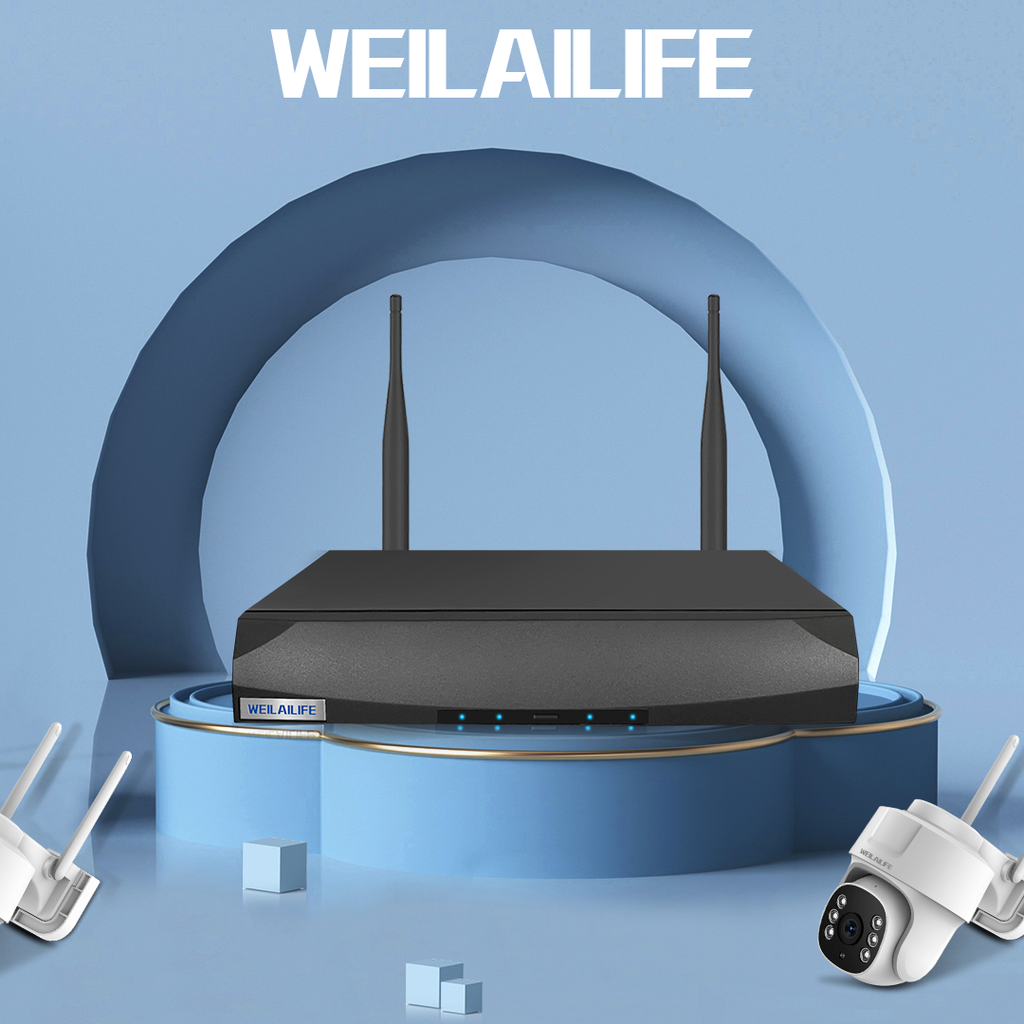
The upfront cost on NVR-based wired systems from WEILAILIFE is higher than a comparable count of Wi-Fi-only cameras — but that upfront difference often inverts over time when you factor in the next layer.
Ongoing Costs: The Subscription Question
This is where camera system pricing gets genuinely complicated. Most major consumer camera brands charge monthly or annual fees for cloud storage access. Depending on the plan level and the number of cameras, these fees range from $5 to $20 per camera per month — or $60 to $240 per camera per year. Multiply that across a 4- or 8-camera system and the numbers become significant surprisingly quickly.
WEILAILIFE's NVR-based systems store footage locally on a hard drive, which means no required cloud subscription. You pay for the hardware once and the recording function runs indefinitely without recurring fees. For homeowners who plan to keep a camera system for three to five or more years — which is most homeowners once they get a system that works — the total cost comparison between local-storage and subscription-cloud systems often favors local storage by several hundred dollars over the ownership period.
The Hidden Cost: Footage That Doesn't Help You
There's a third cost category that doesn't show up on any invoice: the cost of bad footage. A camera system that captures faces as unrecognizable blurs, that produces unusable grainy night footage, or that has coverage gaps that let the key moment happen just out of frame — that system provided essentially no value for its purchase price when an incident occurs.
This is why WEILAILIFE emphasizes real-world image quality over specification sheet numbers. A camera rated at 100-foot night vision that produces grainy, low-contrast imagery at 30 feet has a 100-foot spec and a 30-foot result. Testing cameras in conditions similar to your own installation environment — or reviewing honest third-party testing — is more valuable than comparing spec sheet claims between brands.
What You're Getting When You Spend More
In the security camera market, price differences above a certain floor (roughly $50 to $80 per camera for reputable brands) generally reflect sensor quality, build quality, and software sophistication rather than just brand premium. A higher-end WEILAILIFE camera compared to a budget model at half the price will typically offer better low-light performance, a more durable housing for long-term outdoor exposure, and AI-based motion filtering that reduces alert fatigue significantly.
Whether those differences are worth the price gap depends on your use case. For a camera in a covered interior location with good lighting, a mid-range camera may be perfectly adequate. For an exposed exterior camera covering a critical zone in variable weather conditions, the durability and image quality differences between price tiers are more likely to matter.
The Right Way to Budget
Start from what coverage you actually need — how many cameras, what locations — and work backward to what you can spend per camera. Then factor in the total cost of ownership, including any subscriptions, over the period you realistically expect to use the system. A WEILAILIFE wired system with no required cloud fees, planned over a five-year horizon, often compares very favorably to cheaper hardware with a mandatory subscription that compounds annually.
The goal isn't the cheapest system — it's the most value for your security dollar over the realistic life of the equipment you're buying.