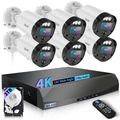
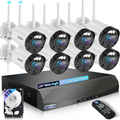
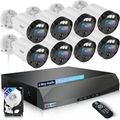
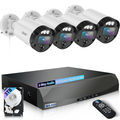
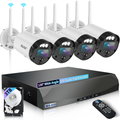
If you’ve ever reviewed your security footage only to see half the action cut off or a crucial blind spot, you know the frustration. Traditional cameras have their place, but when it comes to covering large areas effectively, you often end up installing multiple devices. That’s where a quality home security camera system with wide-angle capabilities becomes a necessity, not a luxury.
Wide-angle cameras have become the go-to solution for homeowners who want to see more with less. They're designed to capture a broader field of view, which means fewer cameras are needed to achieve total property surveillance. It’s a smarter, more cost-effective approach to home security.
Understanding the Wide-Angle View
A wide-angle lens is generally defined as any camera that captures over 80 degrees of a scene. Super-wide and fisheye cameras can push that to 180 or even 360 degrees. The key to getting this right lies in two factors: focal length and sensor size.
Shorter focal lengths (like 2.8mm) produce a wider field of view, while longer ones (like 12mm) narrow the perspective. Similarly, a larger image sensor naturally captures more of the scene, giving you a wider angle for the same lens.
Most wide-angle cameras use a fixed lens with a set field of view. However, a varifocal lens lets you manually adjust the focal length, giving you flexibility to "zoom out" for a wide shot or "zoom in" for details, making it a versatile choice.
Choosing the Right Type for Your Needs
There isn't a one-size-fits-all solution when it comes to wide-angle surveillance. Different environments call for different types of cameras. Here’s a quick breakdown of the styles you’ll likely encounter:
-
Fisheye Cameras: These use a single, ultra-wide lens to provide a full 180° or 360° panoramic view. They’re ideal for rooms or open areas where you need a complete overview with a single camera. However, be aware that the image is often distorted (the "fisheye" effect), though software can usually correct this for viewing.
-
Dual-Lens Cameras: This design uses two lenses to create a seamless 180° view with significantly less distortion than a fisheye lens. They capture higher resolution images and are excellent for storefronts, hallways, or outdoor walls where you want a clear, wide picture.
-
PTZ Cameras: Pan-Tilt-Zoom cameras can rotate horizontally and vertically, giving you a 360° viewing range. Some models also automatically track moving objects. They are perfect for monitoring large outdoor areas like driveways or parking lots.
What Makes a Great Wide-Angle Camera?
When you’re browsing for a wide-angle camera for your setup, keep these factors in mind:
Resolution is Key
Because a wide-angle lens spreads the image over a larger area, objects in the distance can appear smaller. To maintain clarity and identify faces or license plates, a high resolution (like 4K or 4MP) is essential. This is measured by PPF (pixels per foot); a higher PPF means better image quality and identification capabilities.
Night Vision Capabilities
A wide view is useless at night without proper illumination. Look for cameras with strong IR night vision or, even better, "Starlight" or color night vision, which can capture clear, detailed footage even in low-light conditions.
AI-Powered Features
Modern cameras aren't just recording; they're thinking. Features like person/vehicle detection are crucial. They distinguish between a person and a passing car or a waving tree branch, significantly cutting down on false alarms and sending you only the notifications that matter.
Getting the Most Out of Your Installation
You can buy the best camera on the market, but if you install it wrong, you’re missing out. Here are a few practical tips to ensure you get the best view:
-
Scope the Scene: Before you start drilling, identify the key areas you need to cover, like entryways and high-traffic zones. Check for potential obstructions like trees or architectural features that could block the view.
-
Find the Right Height: A good rule of thumb is to mount your camera about 8–10 feet off the ground. This is high enough to prevent tampering but close enough to get clear facial details.
-
Mind the Angles: Aim the camera at a downward angle of 15-30 degrees. This balances the need to see the ground in front of you with the ability to capture faces clearly.
-
Consider the Light: Avoid pointing the camera directly at the sun, bright headlights, or reflective surfaces. This can cause glare and wash out your image, especially at night.
Your Total Coverage Solution
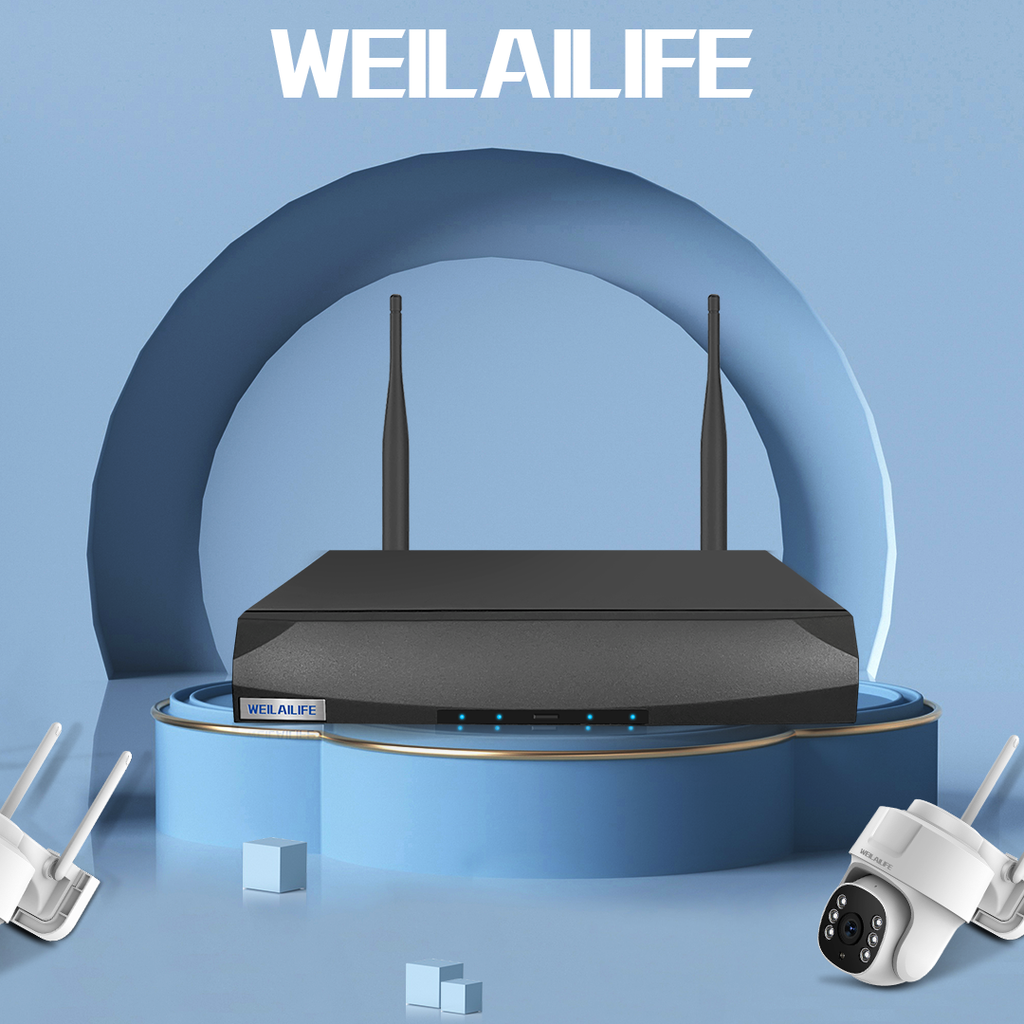
When you’re looking for a reliable and advanced way to monitor your property, it’s about finding a system that balances a wide view with high detail. That’s why a comprehensive home security camera system from a trusted brand like WEILAILIFE is the ideal choice. Our range of cameras is designed to eliminate blind spots and give you total peace of mind, whether you’re protecting a small apartment or a large property. We focus on providing high-resolution imaging paired with powerful AI to ensure you see exactly what matters.