


Apartment Security Cameras: What Renters Can (and Can't) Actually Do
Renters face a frustrating paradox when it comes to home security cameras. They often have more exposure to property crime than homeowners — shared building entries, less controlled access to the building, neighbors they may not know — and fewer options for addressing it. Drilling into walls to run cable isn't allowed. Permanent mounting hardware may violate the lease. The landlord's building security may be minimal or nonexistent.
The good news is that renters have more camera options than they often realize, and a thoughtfully assembled setup can provide meaningful security within the constraints of a typical rental situation.
What Renters Can Generally Do
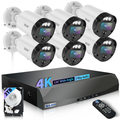
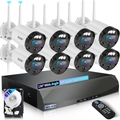
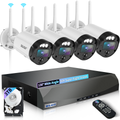
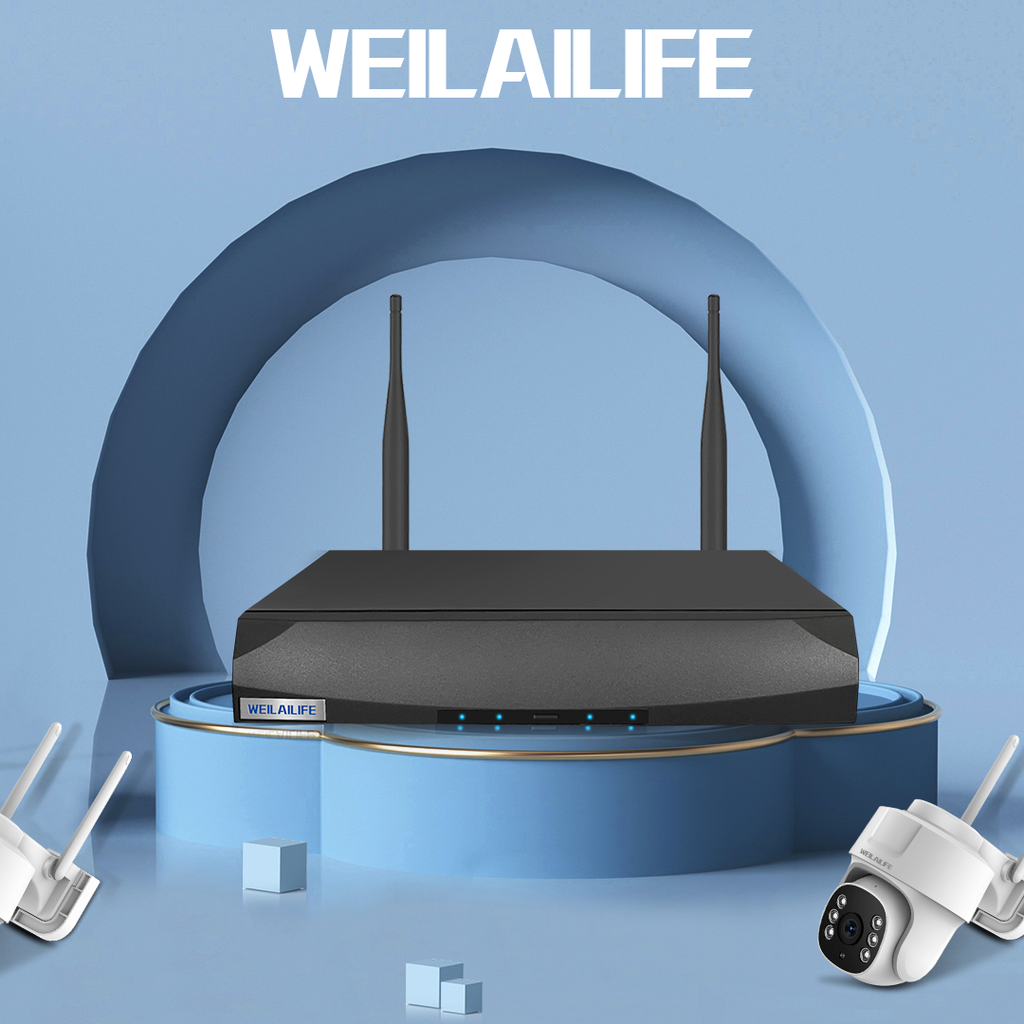
The key distinction is between permanent modifications (usually prohibited) and non-permanent installation (usually permitted or at worst ambiguous). WEILAILIFE wireless cameras with magnetic mounts, adhesive bases, or free-standing designs create zero permanent modifications to walls, ceilings, or window frames. They go up without drilling, come down without any trace, and can be repositioned as needed.
Inside your unit, you have substantial freedom. Indoor cameras covering your front door from inside, monitoring entry areas, or watching valuable items are entirely within your control and require no landlord permission or building modifications. These interior-facing cameras capture anyone who enters your unit without authorization.
For exterior coverage — which is more complicated — the question is whether you can place a camera in a location that covers the area you care about (your door, the hallway, the exterior entry to your building) without mounting it permanently or capturing building common areas in ways that might violate neighbor privacy or building rules.
The Renter-Specific Setup
A practical WEILAILIFE renter security setup typically looks something like this: one indoor camera positioned to capture the front door from inside (mounted on a shelf or bookcase, no drilling required), one indoor camera covering a window that faces an important exterior zone, and possibly one battery-powered WEILAILIFE outdoor camera placed on a balcony or mounted with an adhesive bracket just outside your door if your lease permits it.
The indoor-pointing-outward camera is an underappreciated option. A wide-angle camera aimed through a window can capture meaningful outdoor coverage — someone approaching your door, a parking lot, a shared building entry — without requiring any exterior mounting at all.
Check Your Lease and Local Laws
Some leases explicitly address cameras. Read yours before installing anything outside your unit or in common areas of the building. Building common areas — hallways, lobbies, laundry rooms — are generally not yours to monitor; those are the building owner's responsibility. Cameras that capture other tenants' private spaces without their knowledge are a legal problem regardless of where the camera is physically located.
Your personal unit is your space, and you have broad rights to monitor it. But confirm with your lease that interior cameras don't violate any terms around modifications or "devices" before installation.
What Renters Often Overlook
The door and window sensors that work alongside cameras are even easier to deploy in a rental than cameras themselves — they're small, removable, and leave no damage. Pairing WEILAILIFE cameras with a few door and window sensors gives you both visual coverage and alert-on-entry capability without any permanent installation. Motion-activated lights that plug into outlets add deterrence with zero modification. Smart video doorbells that mount with adhesive or use existing doorbell wiring are an option in many buildings with landlord permission.
The goal isn't to recreate a full homeowner security setup in a rental unit. It's to achieve meaningful coverage for the specific risks relevant to your situation — primarily unauthorized entry — with equipment that can move with you when the lease ends.