


DVR vs. NVR: Stop Overthinking – Pick the Right Home Security Camera System Once and for All
If you've ever shopped for a home security camera system, you've probably run into two confusing acronyms: DVR and NVR. They both look like black boxes that record video, but they're not interchangeable – and choosing the wrong one can turn a simple DIY project into a wiring nightmare.
In this guide, I'll break down the difference between NVR and DVR in plain English, walk you through the pros and cons of each, and recommend two solid, budget-friendly options from WEILAILIFE – one DVR-based, one NVR-based – so you can make the right call for your home or small business.
🔍 First Things First: What's the Real Difference Between NVR and DVR?
Here's the simplest way to think about it:
DVR works with old-school analog cameras. NVR works with modern IP (network) cameras.
That one sentence explains about 80% of the difference between NVR and DVR – and the rest flows from there.
-
DVR (Digital Video Recorder) connects to analog cameras via coaxial cables (the same kind used for old cable TV). The analog signal comes in, and the DVR converts it to digital, compresses it, and saves it to a hard drive. Think of it as a translator – it has to "interpret" the signal before it can store it. And because each camera needs its own dedicated cable run back to the DVR, installation can get messy fast.
-
NVR (Network Video Recorder) connects to IP cameras that already output digital video. They talk to the NVR over Ethernet cables – and many support PoE (Power over Ethernet), which means a single cable carries both data and power. The NVR doesn't translate anything; it just receives, manages, and stores the digital streams. It's more like a data hub – clean, simple, and network-friendly.
So when people ask me about the difference between NVR and DVR, I always say: DVR is a closed, cable-heavy system. NVR is an open, network-based system.
⚖️ DVR vs. NVR: Pros, Cons, and Who Should Buy What
🛡️ DVR Systems – The Budget-Friendly Workhorse
Pros:
-
Affordable and proven – the technology has been around for decades. You get solid reliability without breaking the bank.
-
Signal stability – coaxial cables aren't affected by Wi-Fi interference or network congestion. What you see is what you get.
-
Great for fixed setups – if you know exactly how many cameras you need and you're not planning to expand, DVR gets the job done.
Cons:
-
Lower resolution ceiling – while high-end DVRs can handle 4MP or even 8MP, most IP cameras still outshine analog in clarity and detail.
-
Painful wiring – every camera needs its own coax cable plus a separate power line. Running all that through walls or ceilings is no fun.
-
Hard to expand – once your DVR's channels are full (e.g., 8 cameras), adding one more means buying a new recorder.
Best for: Small storefronts, rental properties, or homeowners on a tight budget who have 2–8 cameras, short cable runs, and no plans to grow the system later.
🌐 NVR Systems – The Smart, Future-Proof Choice
Pros:
-
Crystal-clear 4K video – IP cameras deliver stunning detail. You can actually read license plates and recognize faces from farther away.
-
One-cable install – with PoE, a single Ethernet line handles power and data. No electrician needed.
-
Expandable and flexible – want to add a camera? Just plug it into your network switch. No channel limits holding you back.
-
True remote access – check your feed from your phone, laptop, or tablet anywhere in the world. It's built for the cloud era.
Cons:
-
Higher upfront cost – IP cameras and NVRs cost more than their analog counterparts. But you're paying for quality and future-proofing.
-
Network dependent – performance can suffer if your home network is slow or unstable. A good router and switch are must-haves.
Best for: Homeowners, offices, and retail spaces that care about image quality, want easy remote viewing, and may want to add cameras down the road.
🛒 Two Solid Picks from WEILAILIFE – One DVR, One NVR
WEILAILIFE is a brand that consistently gets 4.3+ star ratings for offering practical, well-built surveillance gear at reasonable prices. They're not flashy – they just work. Here are two systems worth a close look.
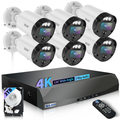
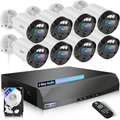
🇺🇸 Traditional & Reliable: WEILAILIFE 4MP 8-Channel DVR System
This is your no-nonsense, plug-and-play option if you already have analog cameras – or just want a simple, low-cost setup.
-
What you get: 4MP (1440p) resolution – sharper than standard 1080p. 8 channels let you connect up to 8 cameras for full property coverage.
-
Why it works: Coaxial cabling means zero Wi-Fi dropouts. It's rock-solid for stores, warehouses, and multi-room homes.
-
Best fit: You have existing coax wiring, your camera locations are permanent, and you don't need AI alerts or mobile app gimmicks – just reliable 24/7 recording.
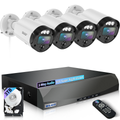
🇺🇸 Modern & Flexible: WEILAILIFE 8MP 4-Channel NVR System
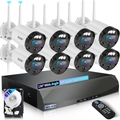
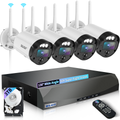
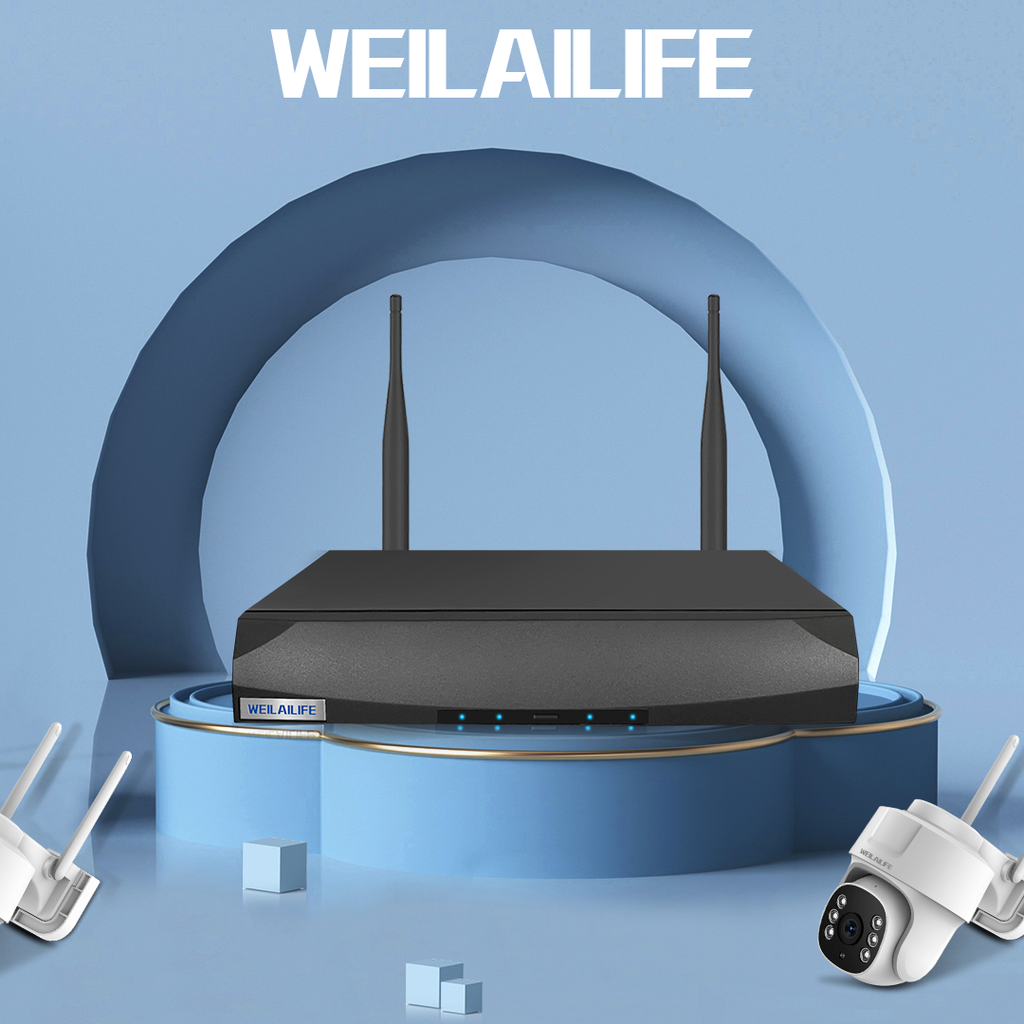
If you want 4K clarity and network smarts, this is the one. It's also part of WEILAILIFE's popular wireless NVR lineup, which features 5MP wide-angle cameras, dual-antenna Wi-Fi, and true DIY installation – no monthly fees, just local storage.
-
What you get: 8MP (4K) ultra-HD video – you'll see details analog systems simply can't capture. 4 channels included, but you can easily add more IP cameras to your network later.
-
Why it works: PoE simplifies wiring to a single cable per camera. Remote viewing is effortless, and the system supports smart detection features.
-
Best fit: Families, small offices, or anyone who wants sharp video, phone access, and the freedom to expand without replacing the whole recorder.
💎 So, Which One Should You Buy?
Here's the bottom line when it comes to the difference between NVR and DVR for your home security camera system:
-
DVR is the reliable veteran – affordable, stable, and perfectly fine for small, fixed setups. It's like buying a dependable pickup truck: nothing fancy, but it gets the job done every day.
-
NVR is the smart upgrade – sharper, cleaner, more expandable, and much easier to install. It's like a modern SUV with all the tech features – higher initial cost, but way more capable.
🎯 My Final Recommendations:
If you're on a strict budget, have existing coax cables, and never plan to add more cameras – go with the WEILAILIFE 4MP 8Cam DVR System. It's a tank. It records. It doesn't complain.
If you want 4K video, easy remote viewing, and room to grow – invest in the WEILAILIFE 8MP 4Cam NVR System. It's the smarter long-term play, and you'll thank yourself the first time you zoom in on a detail you'd have missed with analog.
Still on the fence? Here's my rule of thumb: if you're building new or rewiring anyway, choose NVR. If you're replacing an old system and want to keep your cables, choose DVR. Either way, WEILAILIFE offers solid value – and now you know exactly what you're buying.
Got questions? Drop them in the comments – I'm happy to help you pick the right home security camera system for your specific setup. 🏠🔐