


How to Safely Handle a Garage Door Sensor Issue Without Compromising Home Security
A garage door that suddenly refuses to close can be frustrating, especially when you're leaving for work or returning home late at night. In many cases, the problem is caused by a faulty garage door safety sensor. Some homeowners search for ways to bypass the sensor temporarily, but before doing so, it's important to understand both the benefits and the risks.
This guide explains how garage door sensors work, when a temporary bypass may be appropriate, safer alternatives, and how adding a home security camera system can help protect your property while repairs are underway.
What Does a Garage Door Sensor Do?
Modern garage doors are equipped with photoelectric safety sensors installed near the bottom of each side of the door opening. These sensors continuously send an invisible infrared beam across the entrance.
When the beam is interrupted by a person, pet, vehicle, bicycle, or any other object, the garage door opener immediately stops closing or reverses direction. This simple safety mechanism has significantly reduced garage-related accidents over the years.
Besides preventing injuries, properly functioning sensors also help protect:
- Vehicles parked inside the garage
- Lawn equipment and stored belongings
- Children and pets
- The garage door opener itself from unnecessary strain
Without these sensors operating correctly, the garage door can become a safety hazard.
Why Would Someone Want to Bypass a Garage Door Sensor?
Although bypassing a sensor is never recommended as a permanent solution, there are situations where homeowners consider it as a temporary measure.
Common examples include:
Sensor Misalignment
The sensors may have been bumped accidentally, causing them to point away from each other. Even a slight shift can prevent the system from recognizing the safety beam.
Dirty Sensor Lenses
Dust, spider webs, moisture, or leaves can block the infrared signal and trigger false obstruction warnings.
Damaged Wiring
Loose connectors, worn cables, or weather-related damage may interrupt communication between the sensors and the garage door opener.
Waiting for Replacement Parts
If a replacement sensor has been ordered but hasn't arrived yet, homeowners sometimes need temporary access to the garage.
In nearly every situation, identifying and fixing the actual cause is safer than leaving the safety feature disabled.
Can You Temporarily Bypass the Sensor?
Some garage door openers allow limited manual operation when the wall control button is held continuously until the door fully closes. Other systems may require use of the emergency release cord.
Because garage door designs vary between manufacturers, always follow the instructions provided in your owner's manual.
If you choose to temporarily operate the door without normal sensor protection, take these precautions:
- Keep all people, pets, and vehicles away from the doorway.
- Inspect both sides of the door before moving it.
- Never leave the door unattended while it's operating.
- Restore normal sensor operation as soon as repairs are completed.
Avoid modifying wiring or permanently disabling the safety system, as doing so may create unnecessary risks and could affect warranty coverage or local safety compliance.
Troubleshooting Before Considering a Bypass
Many sensor issues can be solved in just a few minutes without disabling any safety features.
Clean the Sensors
Use a soft microfiber cloth to gently remove dust or dirt from each sensor lens.
Check Alignment
Most sensors include an LED indicator. If one light is blinking or off, carefully adjust the sensor until both indicator lights remain solid.
Inspect Wiring
Look for loose connections, damaged insulation, or signs of rodent damage around the sensor cables.
Remove Obstructions
Garden tools, bicycles, storage boxes, or even accumulated snow can interfere with proper sensor operation.
If these simple checks don't resolve the issue, replacing the faulty sensor is usually the safest option.
Why Garage Security Matters During Repairs
If your garage door cannot close properly because of sensor problems, your garage becomes a vulnerable entry point for your home.
Installing a reliable garage security camera allows you to monitor the garage entrance while waiting for repairs. Live video, motion alerts, and recorded footage provide added peace of mind if the door must remain partially open or is being serviced.
For even better protection, many homeowners expand coverage beyond the garage by installing a complete home security camera system around key areas such as:
- Front door
- Driveway
- Backyard
- Side entrances
- Garage entrance
With multiple camera views, you'll always know what's happening around your property, whether you're home or away.
Choosing the Best Outdoor Camera for Garage Protection
If you're adding surveillance around your garage, look for features that perform reliably in changing weather conditions.
The best outdoor security camera for home use should include:
- High-definition video for clear identification
- Color night vision or infrared night vision
- AI-powered person and vehicle detection
- Motion-triggered instant notifications
- Two-way audio
- Weather-resistant housing
- Mobile app remote viewing
- Secure local or cloud video storage
These features help reduce false alarms while giving you reliable visibility around one of your home's most frequently used entry points.
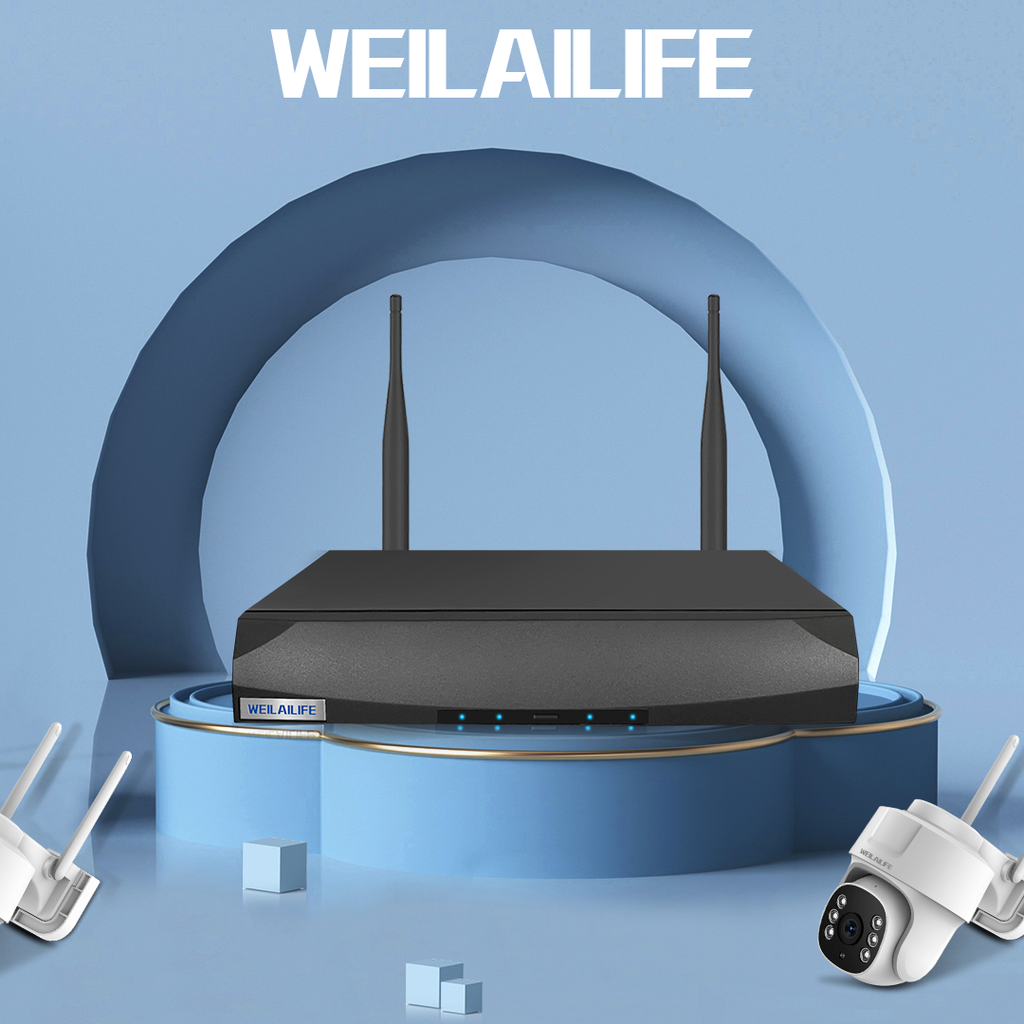
How WEILAILIFE Helps Protect Your Garage
At WEILAILIFE, we understand that garage security is about more than just the garage door itself.
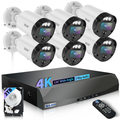
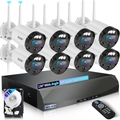
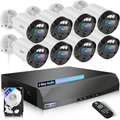
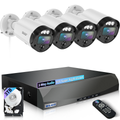
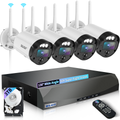
Our smart camera solutions are designed to work as part of a complete home security camera system, helping homeowners monitor driveways, garages, front entrances, and outdoor spaces from anywhere.
WEILAILIFE security cameras offer features such as:
- Crystal-clear HD video
- Smart motion detection
- Night vision for around-the-clock monitoring
- Instant mobile alerts
- Two-way communication
- Weather-resistant outdoor design
- Remote access through the mobile app
Whether you're replacing a faulty garage sensor or simply upgrading your home's security, adding a dependable garage security camera gives you greater visibility and confidence every day.
Better Alternatives Than Bypassing the Sensor
Instead of disabling an important safety feature, consider these long-term solutions:
- Replace worn or damaged sensors.
- Schedule professional garage door maintenance.
- Keep sensors clean and properly aligned.
- Test your garage door safety system regularly.
- Add outdoor surveillance to monitor your garage entrance.
These steps improve both safety and reliability while helping prevent future problems.
Final Thoughts
Bypassing a garage door sensor should only be considered as a short-term emergency measure—and only when it can be done safely according to your garage door manufacturer's instructions. In most cases, cleaning, realigning, or replacing the sensor is the better solution.
While repairs are in progress, strengthening your property's protection with a home security camera system and a dedicated garage security camera can help keep your home secure. If you're looking for the best outdoor security camera for home, choosing a reliable weatherproof solution with intelligent motion detection and remote monitoring is a smart investment that delivers protection long after the garage door has been repaired.