


When Care Never Sleeps: Using Smart Home Security for Special Needs Families
You know that feeling when you're half-asleep but your ears are still scanning for a sound that shouldn't be there? For millions of American families caring for a loved one with special needs, that hyper-vigilance is just part of daily life. It's not anxiety—it's survival mode. And it's exhausting.
Whether you're watching over a child with severe allergies, an aging parent with dementia, or a partner recovering from surgery, the need to "keep eyes on" never really stops. But here's the thing that many parents and caregivers are discovering: you don't have to do it alone, and you definitely don't have to do it with outdated tools.
The Caregiver's Dilemma: Present vs. Present
There's a cruel irony in caregiving. The more attention you give, the more drained you become. And the more drained you are, the less effective you are as a caregiver. It's a cycle that breaks families.
A recent study from the National Alliance for Caregiving found that over 40% of family caregivers report high emotional stress. And for those caring for someone with special needs? That number jumps to nearly 60%.
So what's the answer? You can't clone yourself. You can't stop sleeping. But you can leverage technology that acts as an extra pair of eyes—one that never blinks, never gets distracted, and never needs a coffee break.
How Smart Security Fills the Gaps Traditional Monitors Leave
Let's be real for a minute. The audio-only baby monitor you used twenty years ago? It's not going to cut it when your elderly father with Alzheimer's decides to go for a walk at 2 a.m. in January. And that basic nanny cam? It won't help you when your child with a severe peanut allergy sneaks into the kitchen looking for a midnight snack.
Here's what a modern home security camera system brings to the table that traditional monitors simply can't:
1. Perimeter Alerts for Wandering Loved Ones
Elopement isn't just an autism concern. Dementia patients wander. TBI (traumatic brain injury) patients wander. Even post-surgery patients with confusion can get up and move when they shouldn't.
With motion zones and instant alerts, you don't have to sit in the hallway all night. Set up a virtual boundary at the front door, the garage exit, or the top of the stairs. If your loved one crosses it, your phone buzzes instantly—whether you're in the shower, doing laundry, or finally catching some sleep.
2. Fall Detection and Emergency Response
Falls are the leading cause of injury among older adults, and for someone with mobility issues, a fall can be catastrophic. While dedicated medical alert systems exist, they often require the person to press a button—which they may not be able to do if they're unconscious or confused.
Smart cameras with two-way audio allow you to check in, speak to your loved one, and assess the situation—even if you're across town. And because modern systems offer remote viewing, you can call for help immediately without having to physically run to the room first.
3. Peace of Mind When You Can't Be There
Let's say you're a working parent with a child who has a severe medical condition. You've hired a nurse or respite caregiver to be with them during the day. But how do you really know everything is okay?
Having a discreet camera in common areas isn't about distrust—it's about transparency. It allows you to check in during your lunch break, see that your child is comfortable, and confirm that protocols are being followed. It's not spying; it's peace of mind.
4. Monitoring Restricted Access
For families with loved ones who have dietary restrictions, seizure disorders, or respiratory issues, certain areas of the home can be dangerous. The kitchen might contain allergens. The basement stairs might be a fall hazard. The garage might have tools or chemicals.
Smart cameras let you monitor these high-risk zones and receive alerts if someone enters them unexpectedly. Combined with smart locks, you can even restrict access to certain doors entirely.
Finding the Best Outdoor Security Camera for Home
Of course, safety doesn't stop at the front door. For families with wandering risk, having outdoor coverage is non-negotiable. The best outdoor security camera for home setups provide weatherproof durability, crisp night vision, and smart motion detection that can tell the difference between a raccoon and a person.
When you're shopping, keep these must-haves in mind:
-
Resolution is everything: You need at least 4MP to get a clear enough image to identify someone. The WEILAILIFE 4MP lineup gives you that clarity without killing your storage.
-
Field of view matters: A 130-degree wide-angle lens covers more ground, so you need fewer cameras to monitor your perimeter.
-
Weatherproofing: Look for an IP rating of at least 65 to handle rain, snow, and temperature extremes.
-
Two-way audio: Being able to talk through the camera can calm a confused loved one or deter an unwanted visitor.
-
Local storage: Because the last thing you need is another monthly bill.
The No-Subscription Model That Makes Sense
Here's a question worth asking: why are so many security companies charging you a monthly fee just to watch your own home?
The home security camera system no subscription approach is a breath of fresh air for families already stretched thin by medical bills, therapy costs, and specialized equipment. With local storage options, you keep your footage on your own devices. No monthly fees. No third-party servers holding your family's private moments. Just straightforward, reliable monitoring.
And let's be honest—when you're already paying for medications, specialists, and possibly in-home care, the last thing you need is another recurring expense.
What Real Families Are Saying
One caregiver from Oregon shared her experience caring for her 78-year-old mother with dementia. "I was waking up every two hours to check on her. I was running on fumes. After we set up cameras in the hallway and living room, I could see her from my phone. If she got up, I'd get an alert. It completely changed how we sleep in this house. We're both more rested now, and I'm a better caregiver because of it."
Another parent of a child with severe asthma shared: "We have our son's room set up with a camera that has night vision and two-way audio. When he has an attack at night, we can see his breathing and talk him through his inhaler without having to run in and scare him. It's literally saved his life twice."
Why WEILAILIFE Delivers What Caregivers Actually Need
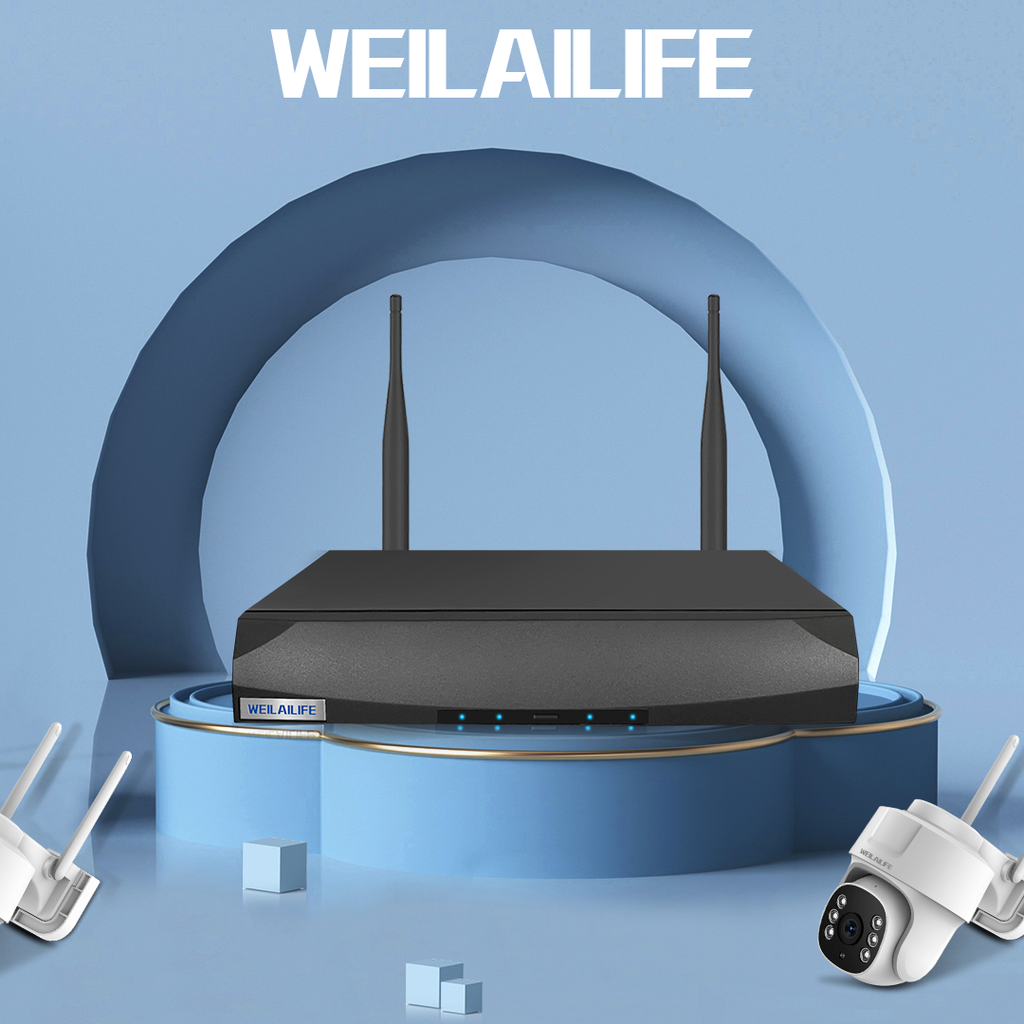
When you're caring for a loved one with special needs, you don't need flashy gadgets. You need reliable, straightforward tools that work when you need them most. That's exactly what WEILAILIFE offers.
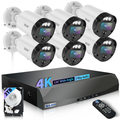
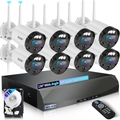
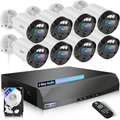
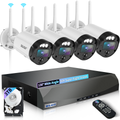
The WEILAILIFE 4MP 8Cam system is ideal for larger homes or families who want comprehensive coverage of both indoor and outdoor areas. With eight high-resolution cameras and a 130-degree field of view on each, you can monitor multiple rooms, entry points, and yard spaces from one intuitive app.
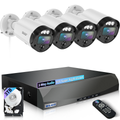
For those with smaller homes or more focused needs, the WEILAILIFE 5MP 4Cams delivers sharper 5MP detail with four strategically placed cameras. It's a great starter system that you can always expand later.
Both systems give you:
-
Crystal-clear 4MP or 5MP resolution for positive identification
-
130-degree wide-angle coverage to reduce blind spots
-
Night vision that actually works in total darkness
-
Motion detection with customizable zones and instant alerts
-
Two-way audio for calming, guiding, or redirecting loved ones
-
Local recording—no subscription fees, no hidden costs
-
Weather-resistant outdoor cameras that stand up to the elements
Building Your Caregiver Safety Network
No single camera does everything. But when you build a system strategically, you create layers of protection:
-
Perimeter monitoring with outdoor cameras covering all entry points
-
Common area surveillance for living rooms, kitchens, and hallways
-
Bedroom monitoring for high-risk loved ones who need overnight supervision
-
Notification systems that alert you to unusual activity
-
Two-way communication for real-time interaction from anywhere
The Bottom Line: Caregiving Is Hard. Technology Makes It Slightly Easier.
Caring for a loved one with special needs is one of the most noble things a person can do. But it's also one of the hardest. It's lonely. It's stressful. And it's relentless.
But here's the thing: you don't have to carry the entire weight by yourself. Smart home security technology doesn't replace you—it supports you. It gives you a little breathing room. It lets you sleep a little better. And it makes sure that when your loved one needs you, you're not running on empty.
So whether you're caring for a child with disabilities, an aging parent with memory loss, or a partner recovering from a serious illness, consider this your permission slip to get some help. Because the best caregivers aren't the ones who never sleep. They're the ones who are rested enough to show up fully when it counts.
WEILAILIFE was built for families like yours. Real people. Real challenges. Real solutions. No gimmicks. Just dependable technology that helps you protect what matters most.