


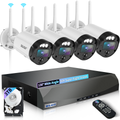

Window Camera Through Glass: Challenges, Solutions & Best Practices
For renters, apartment dwellers, and homeowners seeking extra security without drilling holes or installing outdoor cameras, window cameras provide a convenient solution. Mounting a camera behind a window may sound simple, but it often comes with unexpected challenges that can reduce video quality and limit the effectiveness of your surveillance system.
At WEILAILIFE, we specialize in helping property owners optimize both residential and small business security systems. This guide explains whether security cameras work through glass, common problems, practical solutions, and best practices for setup. We also compare window cameras with outdoor cameras to help you choose the right approach for your property.
Can Security Cameras Work Through Glass?
The short answer is yes—but with limitations.
During the daytime, most cameras can capture usable footage through glass because visible light passes freely. However, modern cameras rely on more than visible light. Features such as infrared night vision, motion detection, and AI-powered alerts can behave differently when glass is involved.
Key points to consider:
- Daytime viewing: Usually effective with proper placement
- Night vision: Often compromised due to IR reflection
- Motion detection: Less reliable
- Image clarity: Dependent on lighting, reflections, and glass quality
Understanding these limitations sets realistic expectations for window camera performance.
Common Problems When Using Cameras Through Glass
1. Glare and Reflections
Indoor lights such as lamps, ceiling lights, and TVs can reflect off glass, creating bright spots or haze. This is especially problematic at night, when indoor lighting contrasts sharply with the dark exterior.
2. Infrared Night Vision Interference
Many cameras use infrared LEDs for night vision. When placed behind glass, IR light reflects back into the lens rather than illuminating the outside, producing:
- Washed-out footage
- White fog or glowing dots
- Unusable night images
This is one of the main limitations of window-mounted cameras.
3. Reduced Motion Detection Accuracy
Reflections, shadows, or passing headlights can trigger false alerts, while real movement may be missed. Pixel-based motion detection struggles with glare, making alerts less reliable.
4. Image Distortion and Reduced Sharpness
Window glass is rarely perfectly clear. Dust, smudges, condensation, or double-pane windows can distort the image slightly, reducing sharpness—especially when zooming in.
5. Weather-Related Issues
Condensation, frost, rain streaks, or dirt on the exterior of the window can affect image quality. Unlike outdoor cameras, window cameras cannot be easily repositioned to avoid these conditions.
Solutions to Improve Camera Performance Through Glass
1. Disable Infrared Night Vision
Turning off IR night vision eliminates reflections. Rely instead on ambient lighting, such as streetlights, porch lights, or motion-activated outdoor lights, to improve nighttime clarity.
2. Use External Lighting
Soft, consistent outdoor lighting compensates for the lack of IR illumination. Avoid harsh spotlights, which increase glare and create shadows.
3. Position the Camera Close to the Glass
Place the camera lens as close as possible to the window. Ideally, the lens should be nearly flush with the glass to minimize reflections and light bouncing.
4. Reduce Indoor Lighting Near the Camera
Turning off nearby indoor lights dramatically improves night footage. Closing curtains or blinds while keeping the lens area clear can make a noticeable difference.
5. Clean Both Sides of the Window
A clean window enhances image clarity. Remove fingerprints, dust, streaks, and water spots from both interior and exterior surfaces.
6. Adjust Camera Angle Carefully
Pointing the camera straight on reduces reflections and distortion. Even slight tilts can worsen glare and reduce image quality.
Best Practices for Window Camera Setup
- Combine with Outdoor Lighting: Motion-activated floodlights or consistent ambient lighting improves nighttime footage without IR interference.
- Select Camera Features Wisely: Cameras with adjustable exposure, WDR (Wide Dynamic Range), or AI-assisted image correction can compensate for minor reflections.
- Regular Maintenance: Periodically clean windows and check lens alignment.
- Integration with Security Systems: Connect window cameras to WEILAILIFE network video recorders (NVRs) or cloud platforms for remote access and secure storage.
- Hybrid Solutions: Use a combination of window cameras and outdoor cameras for areas that require high-resolution night monitoring.
Window Cameras vs Outdoor Cameras
While window cameras are convenient, they are not a full substitute for outdoor cameras:
Outdoor cameras offer superior night vision, weatherproofing, and motion detection without interference from reflections.
Window cameras are ideal when drilling holes is prohibited or for temporary monitoring, but they require careful placement and lighting for reliable performance.
A hybrid approach—outdoor cameras for critical zones combined with window cameras for supplementary coverage—often provides the best security solution.
When Is a Window Camera a Good Choice?
- Renting or temporarily residing in a property
- Areas where outdoor cameras are impractical
- Low-traffic outdoor spaces with good lighting
- Situations needing discreet monitoring
For maximum security, professional outdoor cameras from WEILAILIFE remain the recommended choice, especially for night-time surveillance.
Conclusion
Window cameras offer a flexible and non-intrusive security solution but come with unique challenges like glare, IR reflection, motion detection issues, and image distortion. These issues can be mitigated with careful placement, proper lighting, and regular maintenance.
By following best practices—disabling IR night vision, placing cameras flush with the glass, using external lighting, and keeping windows clean—you can maximize the effectiveness of window-mounted cameras.
For enhanced security, combining window cameras with professional outdoor cameras from WEILAILIFE ensures continuous, reliable monitoring. With the right setup, monitoring, and maintenance, your security cameras can provide peace of mind, protect property, and deter potential threats effectively.