


Wired vs. Wireless Security Cameras: Which System Delivers Real Peace of Mind?
Security cameras have become a standard part of modern homes. With so many options available, the choice often comes down to one key question: should the cameras connect through cables or WiFi?
Each approach has its place. The right choice depends on your property, your priorities, and how much hands-on maintenance you're willing to handle. Here's a straightforward look at both, so you can decide with confidence.
How PoE Cameras Work
PoE stands for Power over Ethernet. The concept is simple: a single Ethernet cable carries both electrical power and network data to the camera. No separate power cord, no extra outlets needed near the mounting spot. Just one cable running from the camera to a PoE-enabled recorder or switch.
What this means in practice: The connection is physical, not subject to wireless interference. Video feeds remain consistent regardless of how many devices are using the network. There's no buffering, no dropped frames, and no sudden loss of signal when someone fires up the microwave. This physical reliability is why PoE cameras commonly support higher resolutions—4K and beyond—without compressing the image to keep up with network demands.
How WiFi Cameras Work
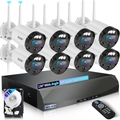
WiFi cameras transmit video wirelessly through your home router. Most models still need to be plugged into an outlet for power, though battery-powered versions exist. The main draw is flexibility: no cables to run, no drilling through walls, and the ability to reposition cameras whenever needed.
The trade-off: Wireless signals have limits. Walls, floors, distance, and neighboring networks all affect performance. A camera at the back of a large yard may struggle to maintain a steady feed. Video quality often gets reduced to prevent interruptions. And when the internet goes out, remote access goes with it.
Side-by-Side Comparison
| Aspect | PoE Cameras | WiFi Cameras |
|---|---|---|
| Connection | Wired Ethernet | Wireless network |
| Power | Delivered through the Ethernet cable | Requires nearby outlet or battery |
| Image Quality | Consistent 4K/8MP with no compression | Good, but may reduce quality for stability |
| Signal Reliability | Unaffected by walls or interference | Degraded by distance and obstacles |
| Installation | One-time cable routing | Quick, tool-free setup |
| Ongoing Effort | Minimal after installation | Battery charging or firmware updates |
Making the Right Choice
Consider PoE if: The property is owned, outdoor coverage is needed, and long-term reliability matters more than installation convenience. PoE systems are built to expand—add more cameras without worrying about power outlets or network congestion. Since footage stays on the local NVR, there are no recurring monthly charges—the recordings belong to the user, not a cloud service.
Consider WiFi if: The space is rented, the setup is temporary, or a single camera for a small indoor area is sufficient. WiFi works well for users who prioritize speed and simplicity over absolute consistency.
The WEILAILIFE PoE Security Camera Lineup
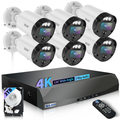
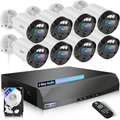
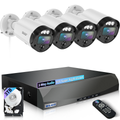
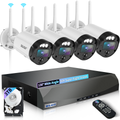
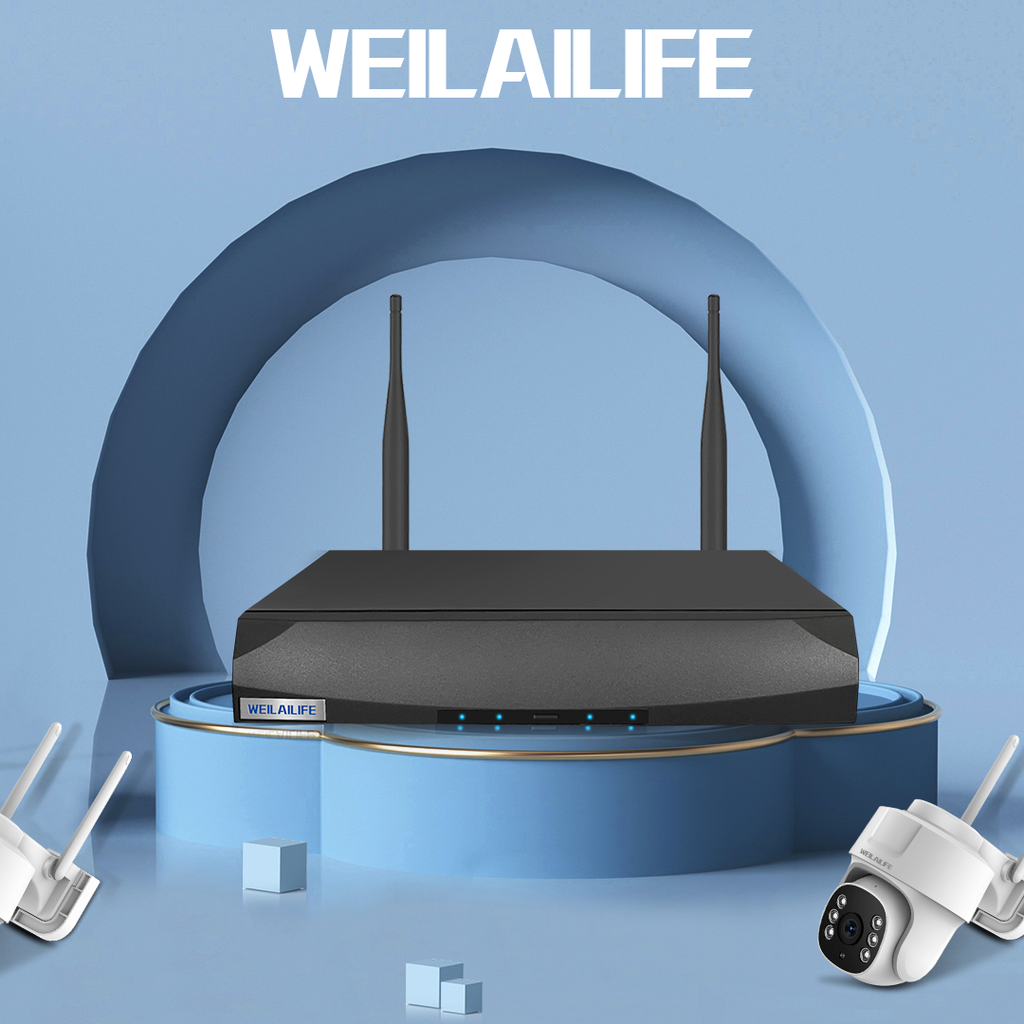
For those leaning toward a wired solution, the WEILAILIFE PoE Security Camera System offers a complete package built around dependability and long-term value.
What sets the series apart:
-
Single-cable installation: Each camera connects with one Ethernet cable that delivers power, video, and audio. No adapters, no clutter.
-
4K Ultra HD resolution: 8MP sensors capture fine details—enough to read vehicle plates and distinguish facial features clearly.
-
No mandatory subscriptions: Recordings are saved to the local NVR. No monthly cloud fees, no surprises.
-
Built for outdoor conditions: IP66 weather resistance protects against rain, snow, and temperature extremes down to -4°F.
-
Motion-triggered deterrence: PIR sensors activate built-in lights and two-way talk. Users can greet visitors or warn off unwanted guests directly from the mobile app.
The WEILAILIFE design philosophy emphasizes presence—visible cameras discourage potential intruders before any incident occurs. The accompanying app provides real-time notifications and live viewing without requiring constant attention to a monitor.
Final Thoughts
Security systems should provide peace of mind, not another thing to worry about. A PoE setup requires an upfront investment in installation time, but delivers consistent, subscription-free operation for years afterward.
Browse the WEILAILIFE PoE collection to see why more homeowners are moving away from wireless dependence and toward wired, reliable, cost-effective protection.