


Garage Security: The Overlooked Entry Point That Burglars Love
Ask most homeowners about their home security and they'll tell you about their front door camera, maybe a ring doorbell, possibly an alarm system. Ask them about their garage, and you'll often get a pause. Garages are consistently among the most vulnerable entry points in American homes — and among the most consistently overlooked in home security planning.
This isn't accidental. The garage occupies an interesting middle ground in how homeowners think about their homes: it's not quite "inside," so it doesn't feel like it needs the same protection as living spaces. But for a burglar, the garage door is often the preferred entry because it's designed to open quickly, it's frequently less secured than exterior doors, and in most homes, a successful garage entry leads directly into the house through an interior connecting door that's often unlocked.
Why Garages Are Targeted
The garage door itself presents specific vulnerabilities. Older rolling code garage door openers can sometimes be compromised with low-cost "code grabber" devices. The physical locking mechanism on most garage doors provides minimal resistance once someone knows what they're doing. And garage door windows — those decorative panels in the upper section — can be broken quickly to reach the manual release cord that disengages the automatic opener from the inside.
Beyond the door, garages typically store high-value items that are easy to move: power tools, bicycles, automotive equipment, recreational gear. A thief who gets into a garage but doesn't make it into the house still often walks away with thousands of dollars in equipment.
Camera Coverage That Actually Covers
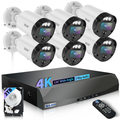
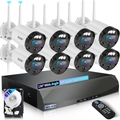
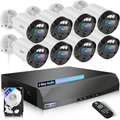
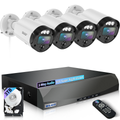
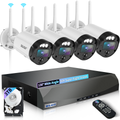
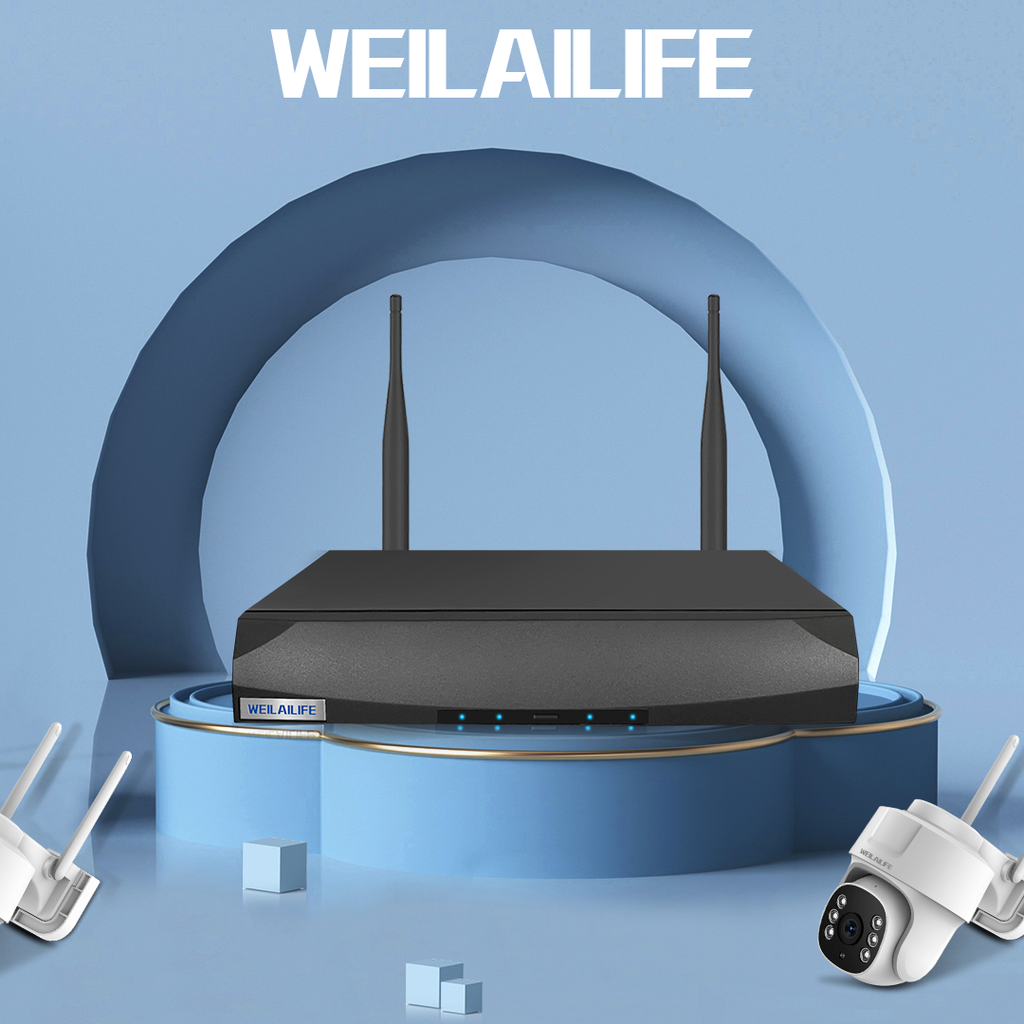
A WEILAILIFE outdoor security camera positioned above and slightly to one side of the garage door is the core of garage security coverage. The angle should capture anyone approaching the garage door, interacting with the control panel, and ideally the approach from the driveway. A camera at roughly eight to ten feet, angled slightly down and covering the full garage face, hits all of these zones.
For detached garages, consider a second camera covering the space between the garage and the house — a path that anyone who exits the garage toward the back would take. Interior garage coverage, with a camera mounted high inside the garage looking down at the space and the interior door to the house, adds another layer that catches anyone who makes it inside.
Smart Garage Door Integration
Modern garage door controllers — devices that retrofit to your existing opener and add smart functionality — can be paired with WEILAILIFE cameras to create a more responsive system. When the camera detects motion at the garage door and simultaneously sees the door opening, you receive an alert that's more contextually informative than a basic motion ping. You can check the live feed from your phone and confirm whether it's your family arriving home or an unauthorized entry.
Some WEILAILIFE users pair their cameras with smart garage door sensors that send a separate alert if the door has been open for more than a configured duration — catching situations where a door was accidentally left open overnight or after a hurried departure.
Physical Security Improvements to Pair With Cameras
Cameras are detection and deterrence — they don't physically prevent entry. For that, a few hardware improvements make a real difference. Slide a zip tie or padlock through the manual release cord when the garage is unoccupied for extended periods — this prevents the cord from being pulled through the top panel gap. Use C-clamps on the garage door track when you're away for vacation-length periods to prevent the door from opening even if the opener is compromised. Reinforce the interior door between garage and house with a solid-core door and a deadbolt, and keep that door locked.
The combination of physical reinforcement, visible outdoor cameras, and smart motion alerts creates a garage security setup that covers the entry point burglars count on most people leaving unprotected.