


Storm Season Survival Guide: How to Prep Your Outdoor Security Cameras for Summer's Worst
summer weather across much of the U.S. has gotten more unpredictable over the past few years. Hurricane season runs from June through November, tornado season peaks in spring and early summer, and heatwaves are breaking records from coast to coast. If your outdoor security cameras aren't ready for what's coming, you could be left with blind spots at the worst possible moment.
Most homeowners think about their security system during calm weather. The smart ones think about it before the storm hits. Here's a practical, no-nonsense guide to getting your outdoor cameras ready for summer's worst—and what to do when the power comes back on.
Pre-Storm Checklist: What to Do Before the Rain Starts
The National Weather Service issues hurricane and severe thunderstorm warnings with anywhere from 24 to 72 hours of lead time. That's your window to get your security system storm-ready.
Step 1: Secure everything physically.
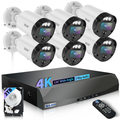
Walk your property and check every camera mount. Give each bracket a firm tug. If it wiggles, tighten it. Hurricanes and tornadoes generate wind speeds that turn loose objects into projectiles—and that includes your cameras. WEILAILIFE cameras come with heavy-duty stainless steel mounting hardware that stays secure in high winds, but even the best gear needs to be properly installed.
Step 2: Check cable runs and entry points.
Follow every cable from the camera to where it enters your home. Look for exposed sections that might get whipped around in high winds or submerged in floodwater. Secure loose cables with cable clips or conduit. Seal any gaps around wall penetrations with outdoor-rated silicone caulk. Water has a way of finding the smallest openings during wind-driven rain, and once moisture gets into your Ethernet or power connections, you're looking at corrosion or short circuits.
Step 3: Backup your footage.
If your system uses local storage (like an NVR or SD card), make sure the storage has capacity and consider backing up recent footage to the cloud. WEILAILIFE systems offer encrypted cloud backup options that automatically store footage off-site, so even if your NVR takes a hit during a power surge, your recordings are safe.
Step 4: Charge battery-powered cameras.
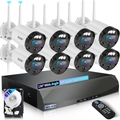
If you're using wireless battery cameras, top them off before the storm. Power outages are common during severe summer weather, and a fully charged battery buys you days of continued recording when the grid goes down. WEILAILIFE's wireless models offer extended battery life with solar charging panels that keep topping up even during overcast weather.
During the Storm: What to Expect
When the wind is howling and rain is coming down sideways, your cameras are going to get triggered—a lot. Moving tree branches, blowing debris, and water streaming across the lens will all set off motion detection.
Turn down motion sensitivity during the storm itself. You don't need 500 notifications about wind-blown trash cans. Most systems, including WEILAILIFE, let you adjust sensitivity from the mobile app in real time. Set it to a lower threshold during active weather, then turn it back up once things clear.
Expect some visual distortion. Heavy rain will blur details, and infrared reflection off raindrops can create strange artifacts in night footage. That's normal. The goal isn't crystal-clear video during a Cat 3 storm—the goal is having some record of what happened. WEILAILIFE's wide dynamic range (WDR) technology helps balance exposure and maintain visibility even in challenging lighting and weather conditions.
Don't go outside to fix a camera during active severe weather. The number of people injured by falling branches or lightning strikes while "just checking the camera" is higher than you'd think. Let the storm pass. The camera is weatherproof. You are not.
After the Storm: Damage Assessment and Recovery
Once the weather clears and it's safe to go outside, do a thorough walkthrough of your security system.
Check every camera physically.
Look for cracks in the housing, water intrusion behind the lens, or any visible damage. WEILAILIFE's IP66 and IP68-rated housings are designed to keep water out even in extreme conditions, but a direct impact from flying debris can compromise any enclosure.
Test each camera's video feed.
Open your app and view every camera live. Look for:
-
Condensation or fog inside the lens (water ingress)
-
Blurry or discolored images (lens damage)
-
No signal (power or cable failure)
Examine cables for damage.
Fallen branches or debris can kink, slice, or stretch cables. If you find damage, don't try to splice them with electrical tape—water will eventually get in. Replace damaged cable runs entirely.
Dry out any moisture you find.
If you spot condensation inside a housing, bring the camera indoors (if possible) and let it dry out in a cool, dry place for 24-48 hours before powering it back on. Moisture and electronics don't mix, and powering up a wet camera can cause a short.
What to Do If a Camera Is Beyond Repair
Sometimes, extreme weather wins. If a camera is physically destroyed or water-damaged beyond repair, document it. Take photos of the damage, note the circumstances, and keep those records for your home insurance claim.
This is also a good time to assess whether the camera's placement was the problem. Did it take a direct hit from something that could have been avoided? Could it have been installed under an eave instead of on an exposed corner? Use the experience to improve your setup when you replace it.
WEILAILIFE's replacement program and responsive U.S.-based customer support make the process straightforward if you need to order a new camera or claim warranty coverage.
Why Weatherproofing Isn't Optional
If you live anywhere east of the Rockies, you're going to see severe thunderstorms. If you're on the Gulf Coast or Eastern Seaboard, you're going to see hurricanes. Even the interior West gets monsoon storms and flash floods.
Skimping on weatherproofing is false economy. A camera with an IP65 rating might cost a few bucks less than an IP66 or IP67 model, but when that camera fails during the first big storm of the season, you'll pay more—in replacement cost, lost footage, and the gap in your security coverage.
WEILAILIFE builds cameras with weatherproofing that goes beyond the minimum rating. Their outdoor cameras are tested for temperature extremes, UV exposure, and salt corrosion, making them suitable for everything from Maine winters to Texas summers to Florida hurricane season. Whether you're looking for a dependable home security camera system, the best outdoor security camera for home installation, or an outdoor security camera for extreme weather that won't quit when the forecast looks rough, the extra investment in proper weatherproofing pays off the first time a storm hits your block.
Long-Term Summer Maintenance Habits
Beyond the immediate storm cycle, a few simple habits keep your system in top shape all summer:
Wipe lenses weekly. Summer pollen, dust, and bugs create a film on lenses that ruins image quality. A dry microfiber cloth and a few seconds per camera is all it takes.
Check for spider webs. Spiders love the heat signature of infrared LEDs and will build webs right over your lens. Clear them weekly.
Monitor temperature exposure. If a camera is in direct afternoon sun, check it periodically for signs of heat stress like image distortion or random reboots. Consider relocating it if heat seems to be a recurring problem.
Trim vegetation. Overgrown tree branches not only trigger false alerts but also provide pathways for pests to access your cameras. Keep branches trimmed back at least three feet from all cameras.
Final Word
Summer weather in the United States is no joke. From the Gulf Coast to the Great Plains to the Eastern Seaboard, severe storms, heatwaves, and flooding are just part of the season. Your home security system doesn't get to take a vacation—and with proper preparation, it doesn't have to.
The cameras that survive summer are the ones that are properly installed, properly weatherproofed, and properly maintained. Take an hour this weekend to walk your property, check every mount and cable, and make sure your system is ready for whatever the weather throws at it.
WEILAILIFE builds weather-ready security solutions for American homes in every climate. Whether you're watching your property from thousands of miles away or just want peace of mind during the next big storm, their cameras are engineered to keep recording when it counts. Explore their lineup of weatherproof outdoor cameras at weilailife.com, and get your home ready for summer—before summer gets ready for you.
How do you weatherproof your security system? Drop a comment below and let us know what's worked for you—we read every one.