


Tired of Dead Batteries and Tangled Wires? Here’s Why a Solar Security Camera Just Makes Sense
If you’ve ever tried to set up a traditional security camera, you know the drill. You find the perfect spot to watch your driveway, but there’s no outlet within 50 feet. Or, you buy a battery-powered one, and three weeks later, you’re hauling out a ladder because it’s dead again.
It’s a hassle. And honestly, in 2026, it feels a little outdated.
That’s why so many of us are finally making the jump to solar-powered wireless cameras. Not because they’re “trendy,” but because they actually solve the problems that make traditional security such a headache.
Cut the Cord, Keep the Coverage
Imagine being able to put a camera literally anywhere on your property—the back fence, the detached garage, the dark corner of the yard where the gate keeps rattling—without worrying about how to get power to it.
With a decent solar camera system, you just mount the panel, sync the camera to your Wi-Fi, and you’re done. No drilling through walls to run cables. No calling an electrician. No tripping over extension cords.
This isn’t just for houses, either. If you’ve got a workshop, a boat dock, or even an RV you like to keep an eye on while it’s in storage, going solar turns those “hard-to-wire” spots into easy monitoring zones.
The Real Benefits You Actually Notice
We can talk about specs all day, but here’s what actually matters when you live with one of these things.
1. Zero Wiring, Zero Mess
This is the big one. A home security camera system that runs on solar is completely wire-free. You don’t have to worry about hiding ugly cables or cutting into your drywall. It’s a clean setup that looks good and takes about fifteen minutes to install.
2. Power When You Need It Most
The whole point of a security camera is to be reliable. But a camera with a dead battery is just an expensive piece of plastic on your wall.
A solid solar camera comes with a high-capacity lithium battery. It stores up power during the day so it can run all night and through a stretch of cloudy weather. Some of the better systems can last up to six months on a single charge if the sun isn’t cooperating, but most of the time, the sun does the heavy lifting for you.
3. Sharp Video and Smart Alerts
We’ve all seen those grainy videos on the news where you can’t even tell what color the suspect’s car is. That’s frustrating.
You want a home security camera system with at least 1080p or 2MP resolution. At this level, you can actually make out faces and license plates. Add in a good night vision range—about 80 feet or so—and you’re covered, even after sunset.
What About Cold Weather and Rain?
This is a question we get a lot, especially if you live up north. The simple answer is: check the weatherproof rating.
You want to look for IP66 or higher. What that means in plain English is that your camera is dust-tight and can handle heavy rain, snow, and ice without frying the electronics. It’s built to survive the seasons.
Making the Most of Your Setup
If you want your system to work its best, here are a few quick, practical tips:
-
Face the panel south. If you’re in the US, your solar panel will get the most sunlight if you angle it toward true south.
-
Keep it clean. Leaves, pollen, and dust can block the sun. A quick wipe every couple of weeks keeps the power flowing.
-
Check the Wi-Fi. Most cameras run on the 2.4GHz band, not 5G. It has a longer range and penetrates walls better, so make sure your router is set up for it.
The Peace of Mind Factor
At the end of the day, all of this tech is just a tool to help you relax a little more. Whether you're at work, on vacation, or just in the backyard, knowing you can pull up a live view of your property anytime is a good feeling.
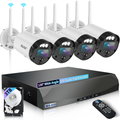
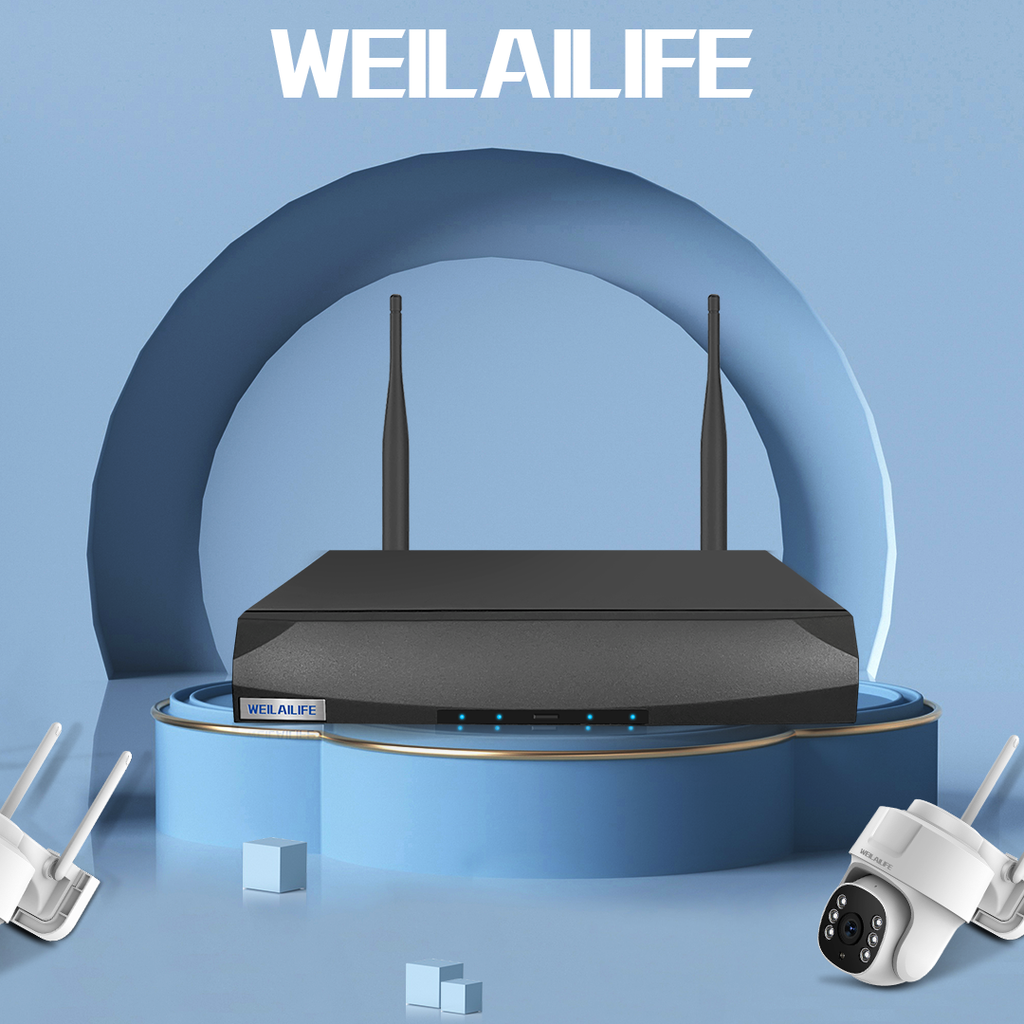
That’s exactly what we were thinking about when we designed our systems at WEILAILIFE. We wanted to build a home security camera system that didn’t require a degree in electrical engineering to set up. Something that just works.
Our latest solar cameras come with dual antennas for a stronger Wi-Fi signal, advanced motion detection that filters out false alarms from trees or animals, and crystal-clear two-way audio so you can actually talk to whoever is at your door.
If you’ve been putting off upgrading your security because it seemed like a pain, it’s worth taking another look. The tech has come a long way, and once you go solar, you’ll wonder why you didn’t do it sooner.